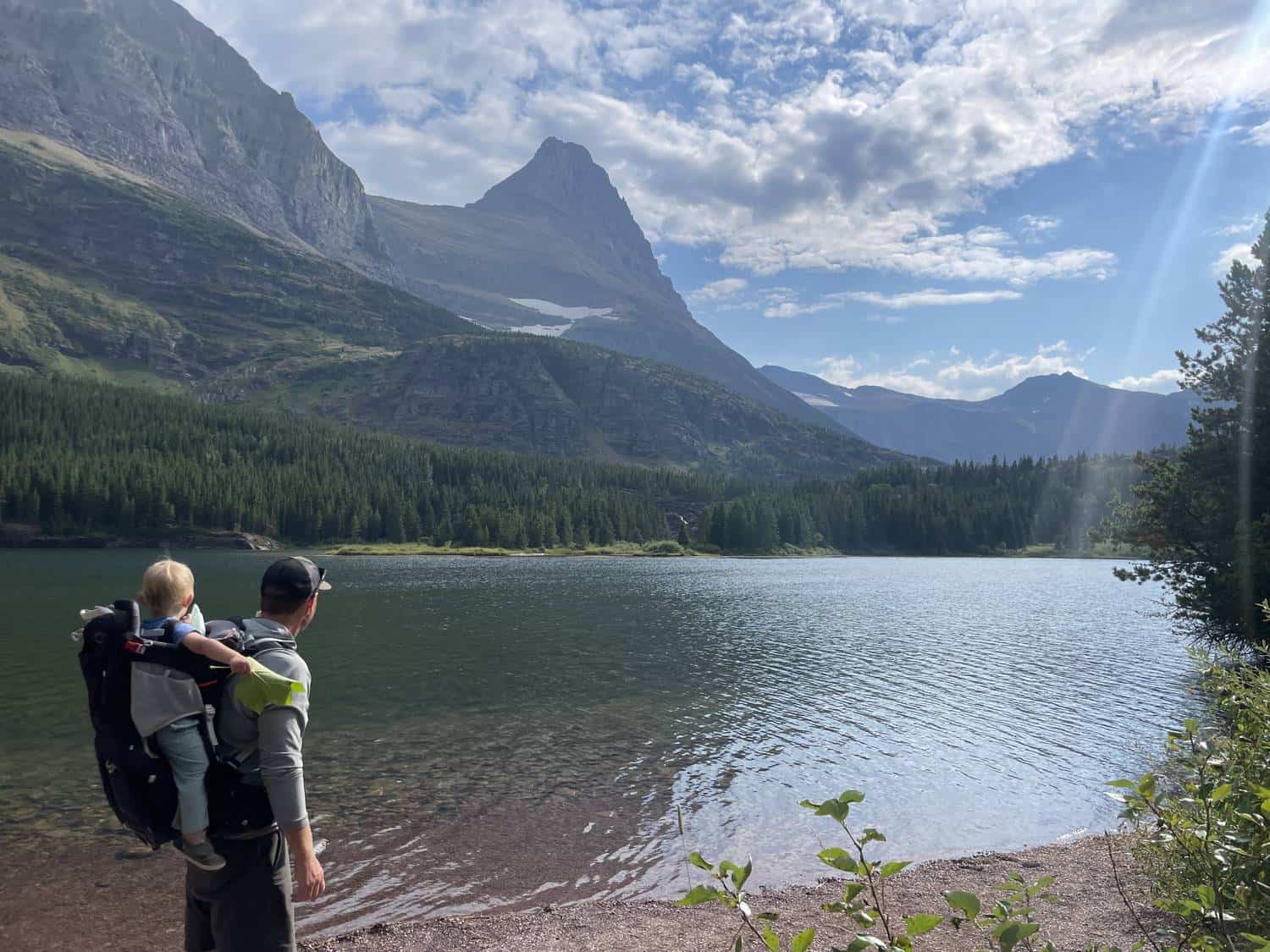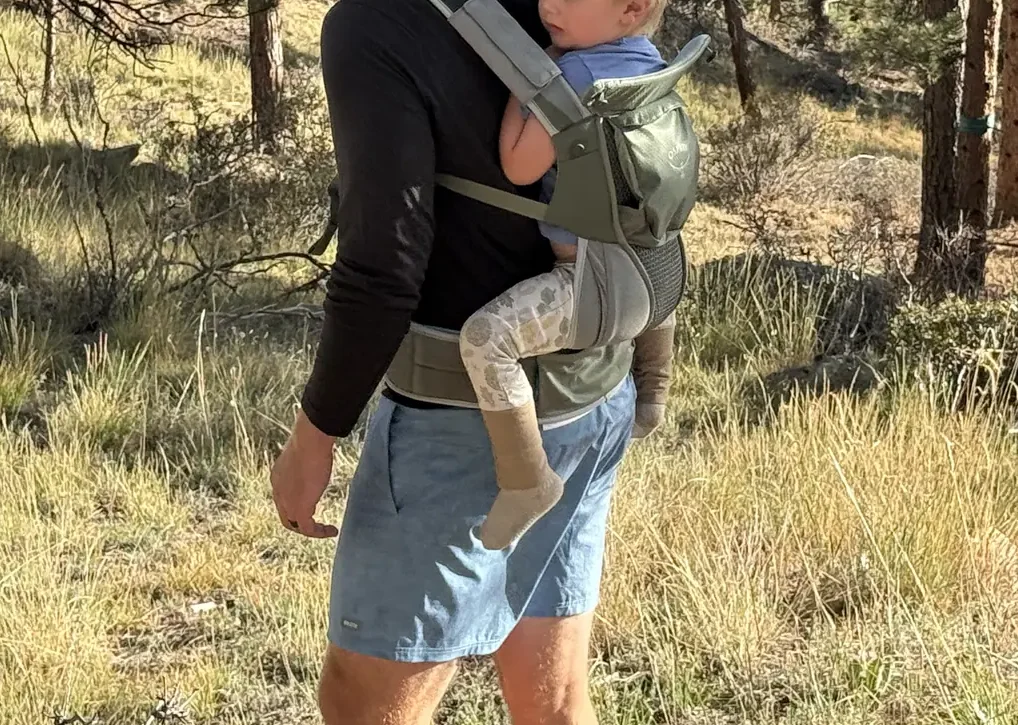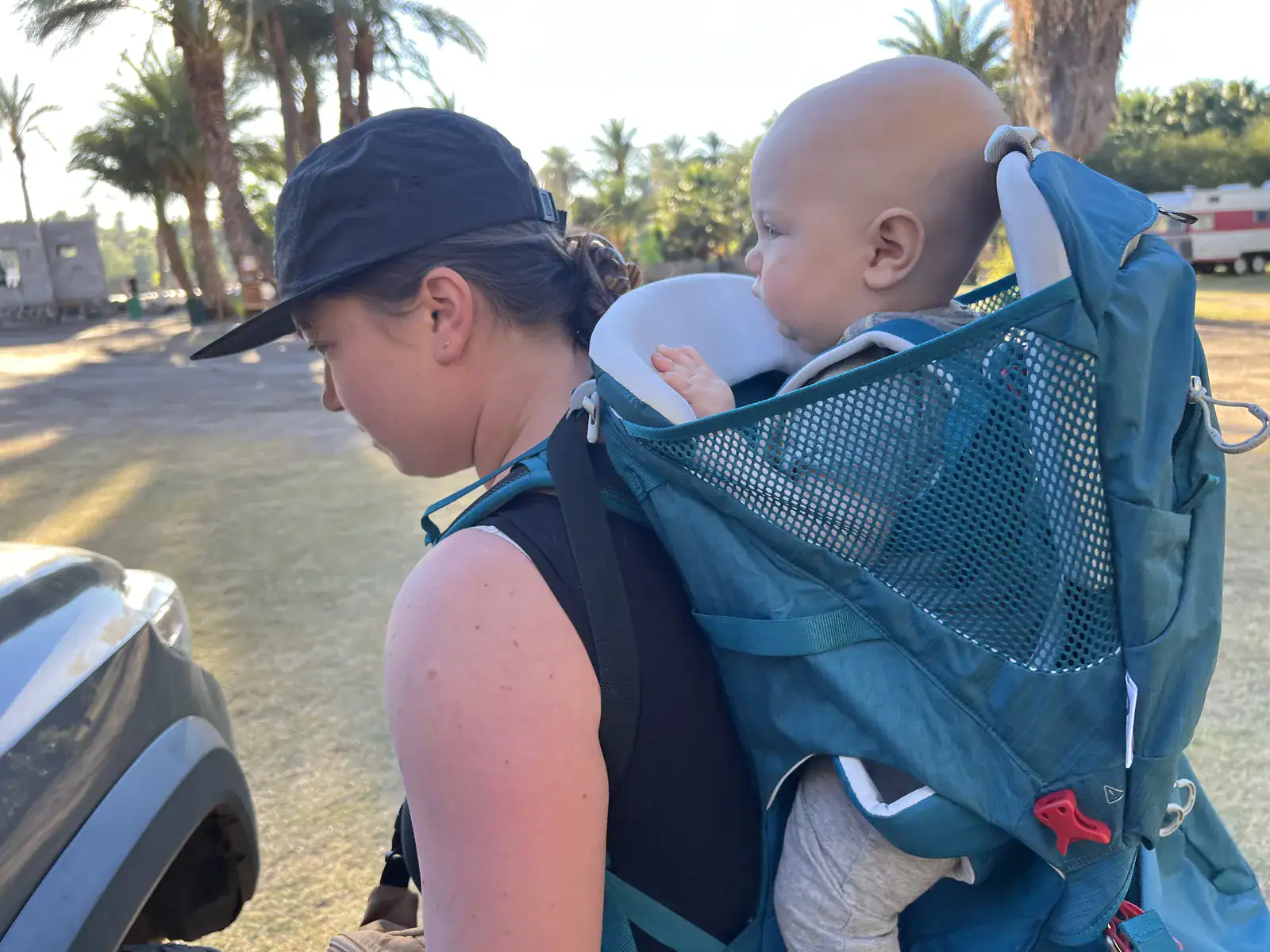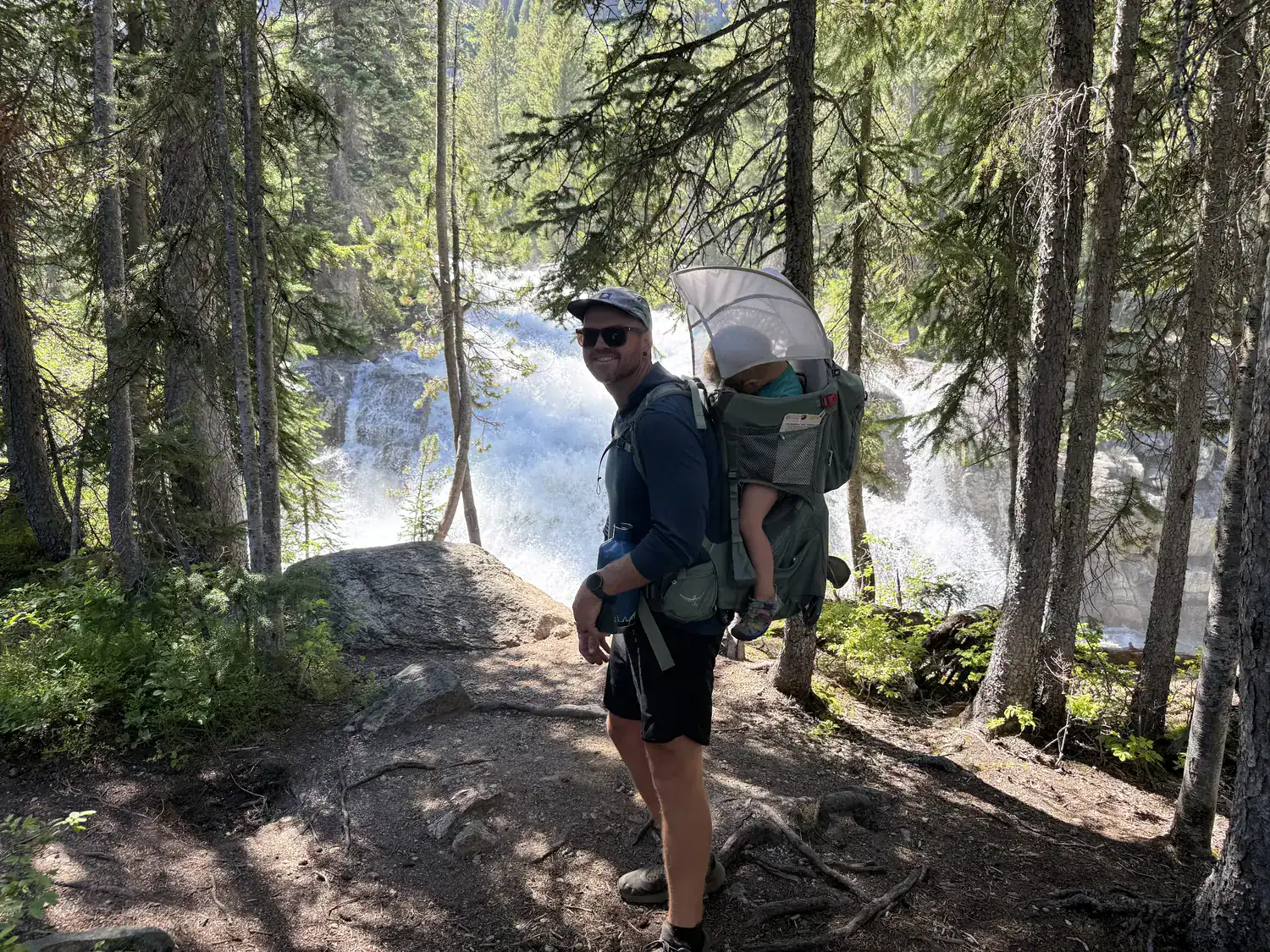

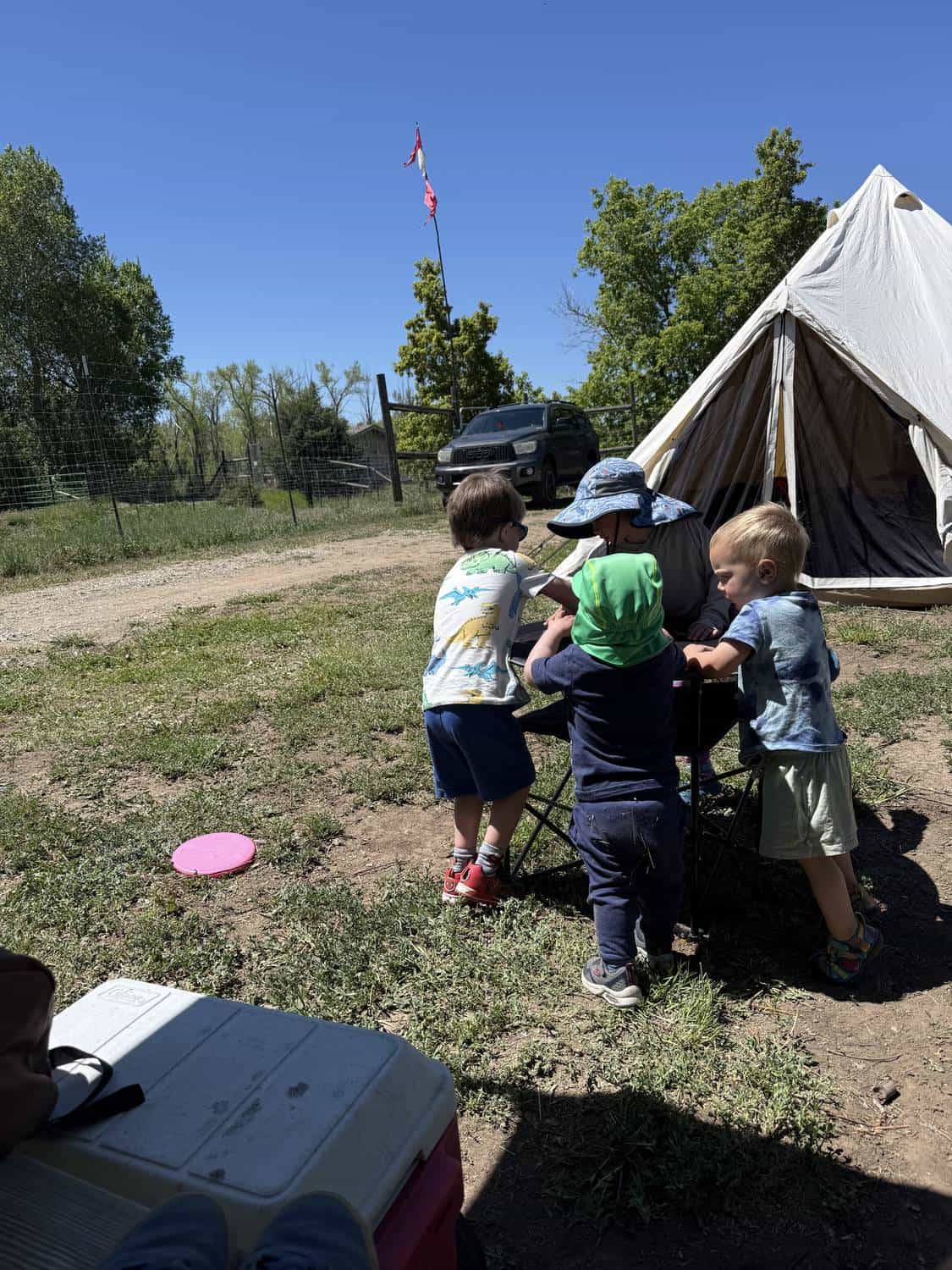
We lived out of a van for years before we had kids, and when Cy came along, we figured that life wouldn’t have to change much. For the first few months, it didn’t: a baby who can’t move yet is the easiest camping partner you’ll ever have. Go camping with your babies, you won’t regret it. He stayed where we put him, he was down for sleeping in the carriers, he loved the outside air.
Then he started crawling.
We took him to Bear Lake State Park, on the Utah-Wyoming line, at nine months old, and found out exactly how much camping changed. He was napping up on the van’s bed, doors open to the morning, and when he woke up, he crawled straight for the edge. We got to him right as he was looking over what amounted to a five-foot drop to hard-packed ground. The van that had been perfect for two adults turned out to be a genuine death trap for a baby who could suddenly get himself places, and that one moment changed how we viewed our camp trip. While we were in a van, this certainly applied across all camping, once the kid is moving there are many more considerations.
The bar for a successful first family camping trip is much lower than the bar for a successful adult one, aim low, then lower, now you can go camping.
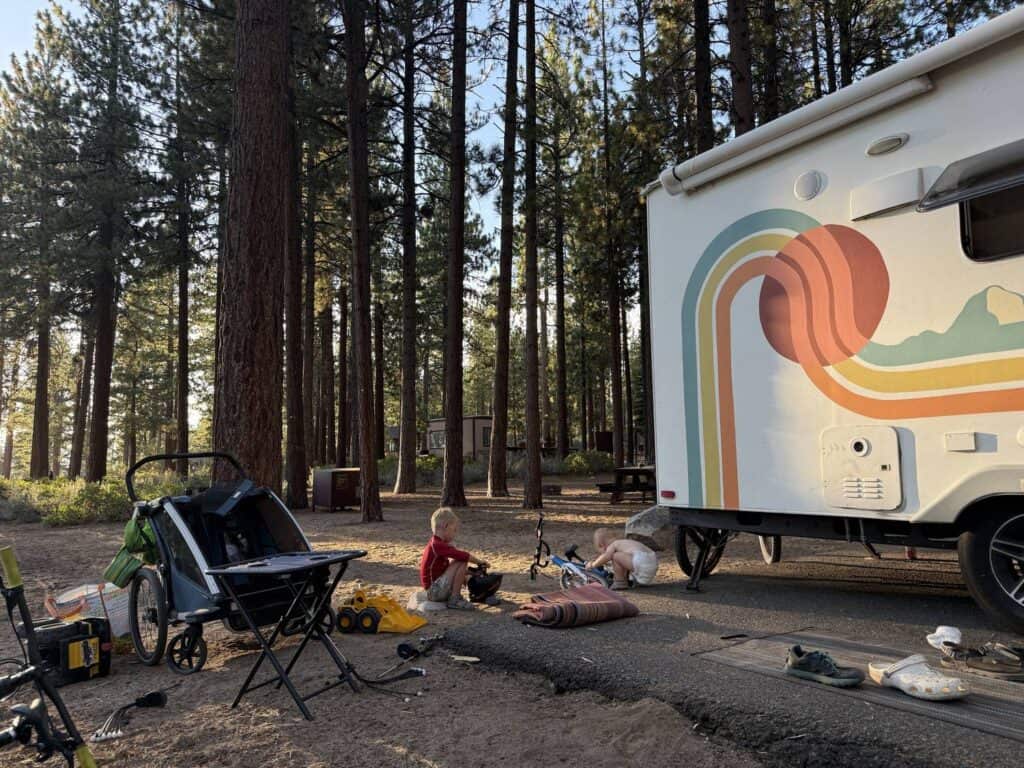
Bottom line: For the FIRST trip – pick a campground with a bathroom, water, and a short drive home, cap your first trip at one night, overpack layers and a variety of clothes, and let the schedule bend to your kids instead of the other way around. Everything else in this guide is detail in service of that. Once you’ve got one down, start to play around. But don’t do 8 hours for a 4 day overnight for trip one, it’s just not worth it.
Pick a campground that removes Obstacles
Your first trip is not the time for a remote dispersed site 40 minutes down a forest service road. Choose a developed campground, ideally one you could drive home from in under two hours if a kid spikes a fever or someone doesn’t sleep at all. Look for:
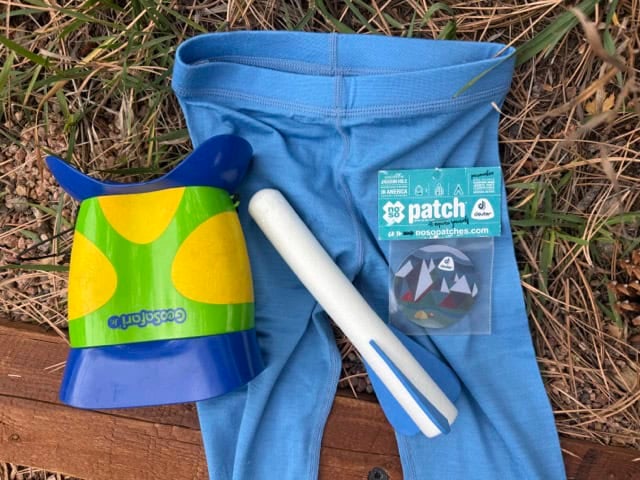
- A real bathroom. A flush toilet and sink make brushing teeth and those uncomfortable with vault toilets a little more at ease. For younger kids, a travel potty set up at the camp with some dog bags can solve bathroom problems. Also, you can then dump the contents into the flushing toilet. Diapered kids, continue as usual, espcially at established campgrounds with accessible trash.
- Water on site. Not having to ration or filter water for a first trip removes one more thing to manage. If the site doesn’t have running water, a jug with a spigot and some soap can solve hand washing needs. Or, hand sanitizer.
- Some shade and a flat tent pad. Kids nap, kids need a break from sun. A pad that slopes isn’t comfortable for anyone.
- Other campers nearby. Counterintuitive, but a site with some activity nearby (not on top of you) means your kids might make some play buddies, and for those with more shy kids, they will see other families doing exactly what you are.
State parks and public campgrounds with reservable sites are usually the easiest way to check all of these before you arrive, since most list amenities directly on the booking page. If you’re hiking or biking to access the campground, look for listings specifically labeled stroller-friendly or ADA accessible, and cross-check them against recent reviews on AllTrails or the park’s own site. Descriptions written for adults without kids or mobility needs in mind are often optimistic.
Keep the trip short
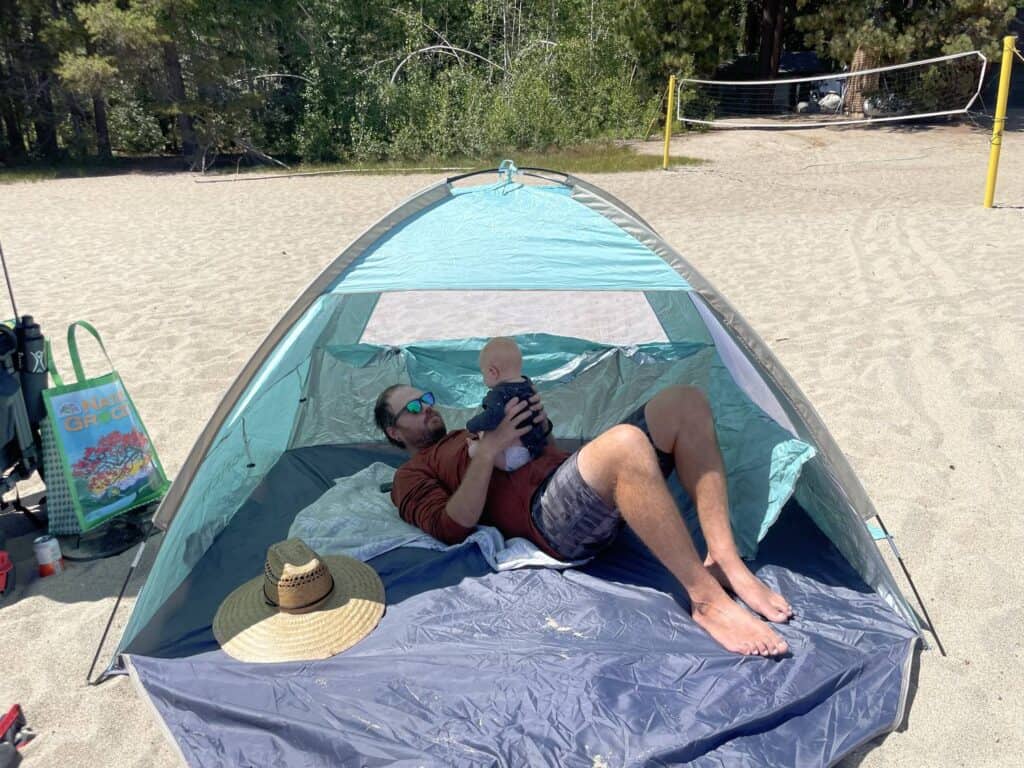
One night. A one-night trip gives you the full experience: setting up camp, a dinner cooked outside, a night in a tent, breaking camp, without needing to solve for multiple days of entertainment, weather, or supplies. If it goes well, extend the next one. If it goes sideways, you’re driving home in the morning, not on day three. Go Saturday to Sunday so you’re not rushing to put up camp before the sun goes down.
Pack for temperature swings
Generic camping checklists are a fine starting point, but the one thing that actually determines whether kids sleep and stay comfortable is layering for the temperature swing between your daytime high and your overnight low, which is often 20 to 30 degrees at elevation even in summer. Pediatric guidance on camping safety is specific about this: plan for a range from the 40s to the 80s in three-season conditions, not just the forecast high. The core layering system that matters for camping:
- A warm base layer for sleeping, separate from what they wore all day and played in.
- An insulating mid layer (fleece or puffy) for around the fire once the sun drops.
- A rain shell, even if the forecast looks clean. Mountain weather changes fast, and a kid in a wet layer with no dry shell gets cold fast and stays miserable. We keep our Best Rain Jackets for Kids and toddler rain jackets picks in the truck for exactly this reason.
- A warm hat and socks for sleeping. Heat loss through a kid’s head and feet at night is real, and a warm hat solves more sleep problems than an extra blanket does.
One hack worth stealing: stash the next day’s clothes inside the sleeping bag overnight. They come out morning-warm and are way more cozy to put on. Or, just stay in PJs all day (although we’ve ruined many good PJs doing that.
Skip trying to bring ALL the layers. Rooting through a duffle bag turns frustrating very quickly.
Set up camp before you do anything else
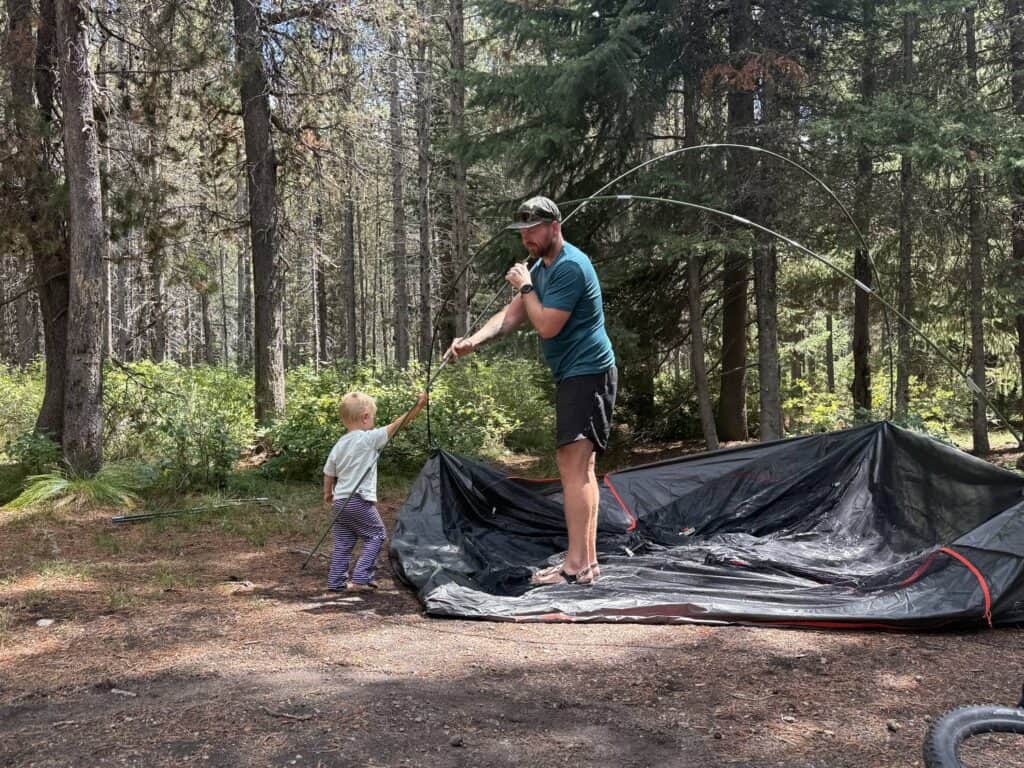
Set up the tent, roll out sleeping bags, and get headlamps within reach. Have kids that are old enough help with tent set up. Divide and conquer if you can, or have one adult go exploring with the kids, and the other arrange camp.
Camp that’s ready to sleep in by dinnertime means bedtime can be done in the dark, which is probably will.
A few setup details that pay off later: pick a spot for the play area that’s away from the fire pit, the cooking area, and any open water, and set boundaries with physical things, “don’t go past this tree”. Do a quick walk of the site for glass, old campfire debris, or sharp rocks before kids start running around barefoot. And designate a spot for the flashlight that everyone knows so a 3 a.m. bathroom trip can go quickly. That said, that flashlight is getting played with immediatly.
Protect sleep as Much as You Can
Camping disrupts sleep more than almost anything else about the trip, because of light (9pm and sun is still up), temperature (cold, hot, not inside), and it’s an unfamiliar sleeping situation.
- Block the light. Long summer daylight means a 5 a.m. sunrise through thin tent fabric. You can use an app like Peak Finder to see where the sun will rise the next morning. Set up with some protection from morning rays.
- Keep the routine, even stripped down. A quick wipe-down, pajamas, one or two short books, same as home. Keep the sequence, bring the familiar night light or stuffie, camping is just like home!
- Bring whatever makes white noise. A phone app, a portable fan, an actual white noise machine, something that drowns out the voices and noises of other humans around you.
- Don’t fight a rough night too hard. Save the full reset of schedules and routines for once you’re home; recovery from one disrupted night of sleep is normal and short-lived.
Simple Food
Your first trip is not the time to test a new backcountry recipe. One-pot meals, foods your kids already eat at home, and easy breakfasts (oatmeal packets and fruit, not a griddle situation) keep the cooking window short and the cleanup fast. Bring more snacks.
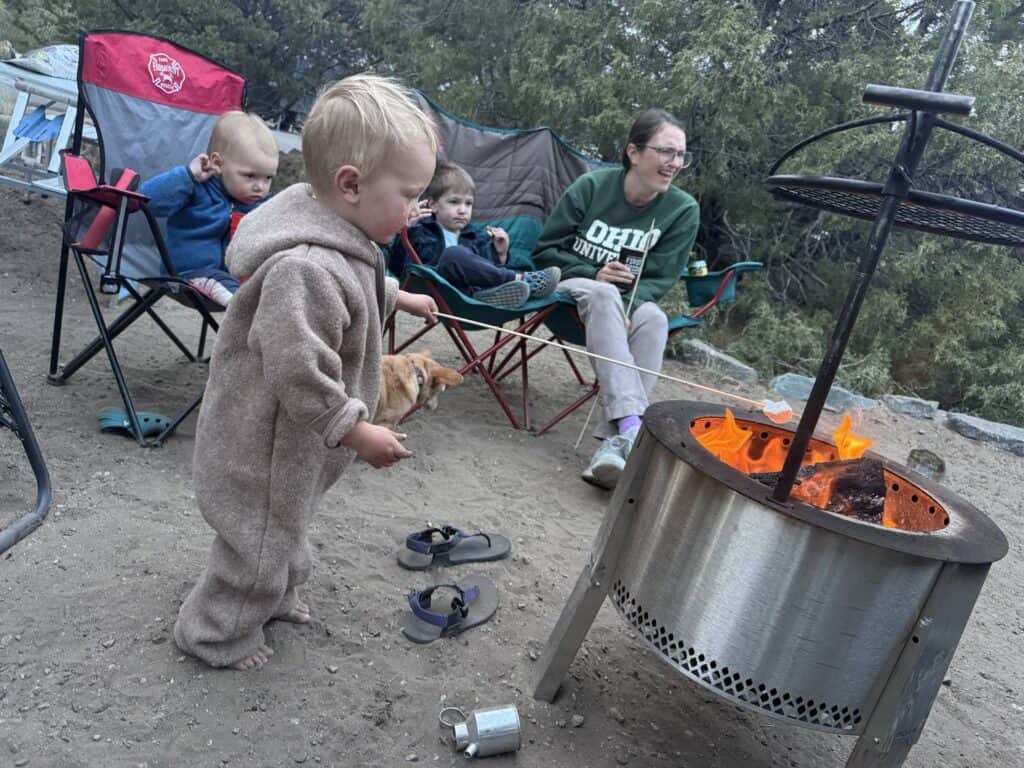
One small scheduling trick: save s’mores for after lunch instead of right before bed. It makes getting everyone down after dinner just a TAD easier. And then the fire gets started early and it’s a nice way to gather as the sun goes down and dinner gets started.
Make the evening itself the activity
A white sheet strung between two trees with a lantern behind it draws moths and other insects, and sometimes bats depending on where you are. Glow sticks turn the maybe scary darkness into a party. A set of camp chairs sized for small bodies makes kids feel like they’re supposed to be there.
If you’re adapting the trip for sensory needs or a mobility consideration
A developed campground with a short drive home is already the right call for a lot of neurodivergent or sensory-sensitive kids. A few adaptations worth adding: do a full practice run at home first with the actual tent and sleeping bags, not just a description of what’s coming; pack a specific “calm space” kit (noise-cancelling headphones, a fidget, a comfort item) and know where it lives at the campsite; build at least one hour of unscheduled downtime into each day rather than treating the whole trip as one continuous activity; and when you reserve, it’s reasonable to call ahead and ask about site placement away from a noisy toilet block or a busy loop road. If camping with a family member who has a mobility consideration, look specifically for campgrounds with paved or hard-packed accessible sites and bathroom access, and don’t treat a shorter, lower-key version of the trip as a lesser one. You can use satellite images on google maps to see where everything is placed in the campground and how you can best move around the campsite. Time outside is the win, regardless of how many of the items on this list you get to.
Build in an exit ramp
Tell your kids, and honestly tell yourself, that leaving early is allowed. Naming that option out loud tends to make people less likely to need it, and if you do need it, driving home after one rough night is not a failed camping trip. You can and will try again!
What doesn’t work
Don’t bring every toy “just in case,” we are guilty of this every trip, and nothing gets played with. They’ll play with sticks and dirt and tent stakes, and the extra bag is one more thing to pack, unpack, and lose.
Don’t plan a big activity for the day you arrive. Pick one activity per trip, and do it on the second day, and try not to plan on an early leave time, fingers crossed everyone sleeps in.
Frequently Asked Questions About Camping With Kids
How old should a kid be for their first camping trip?
There’s no hard minimum. Car camping (where the tent is steps from the vehicle) works for babies and toddlers as long as you’re realistic about sleep disruption. The bigger factor than age is proximity to home and how much you’re willing to adjust the plan on the fly.
What temperature is too cold to camp with kids?
There’s no single cutoff. It depends on your gear, your kids’ cold tolerance, and whether you’re prepared to layer properly (see above). Know the warning signs either way: numbness, burning, or red-white-bluish skin on hands or feet signals frostbite risk, and confusion, slurred speech, or a child who stops shivering and seems unusually drowsy are hypothermia warning signs that mean warming up immediately, not waiting it out.
Do we need a bigger tent than we think?
Usually yes. A tent rated for your exact headcount gets tight fast once you add bags and all the things. Sizing up one tent capacity beyond your family size is a common and usually correct move. See our best family tent guide for more guidance.
Pro tip: Do a “practice camp” in the backyard or living room first: pitch the tent, roll out the sleeping bags and pads, headlamps on. It costs nothing and makes for a fun pre-camping activity, great for prepping the kids on what’s to come.
Roxy Dawson
I'm Roxy Dawson — New Yorker turned Coloradan, former full-time van dweller, outdoor industry veteran, and co-author of three Falcon Guides. I've spent the better part of a decade testing outdoor gear for adults across some genuinely terrible conditions. Then I had kids, noticed that nobody was doing that work honestly for the 0–14 age set, and built the site I kept wishing existed. Everything on Good Better Best has been tested by my actual children — currently ages two and five, with strong opinions and zero patience for gear that doesn't work. I test first. I write second. I don't recommend things I wouldn't buy with my own money.
More posts by Roxy