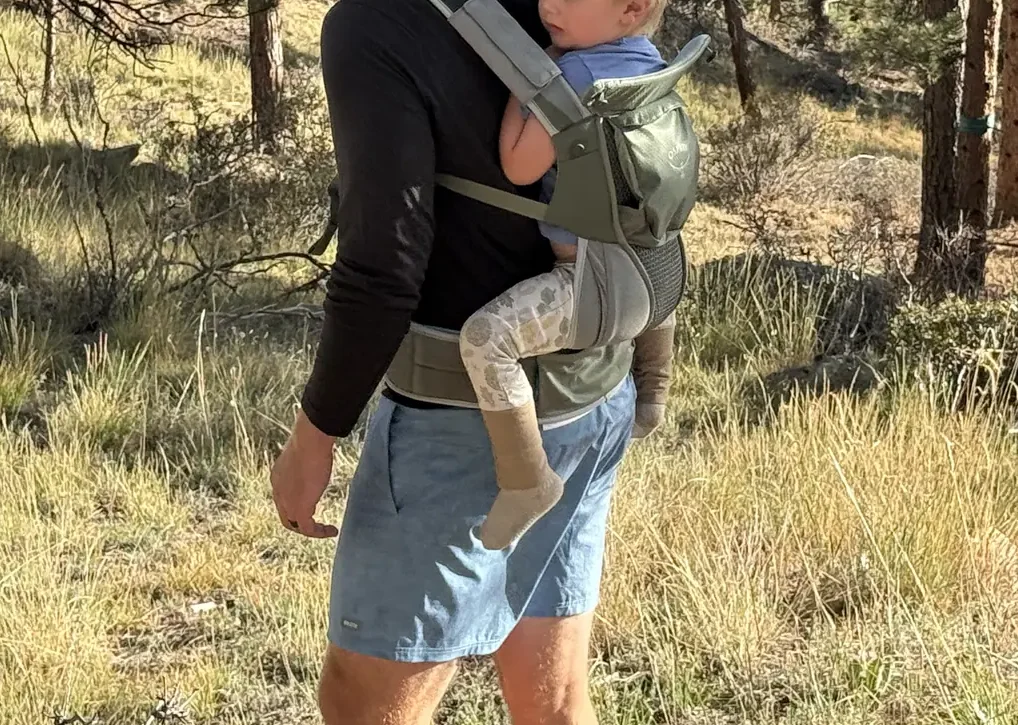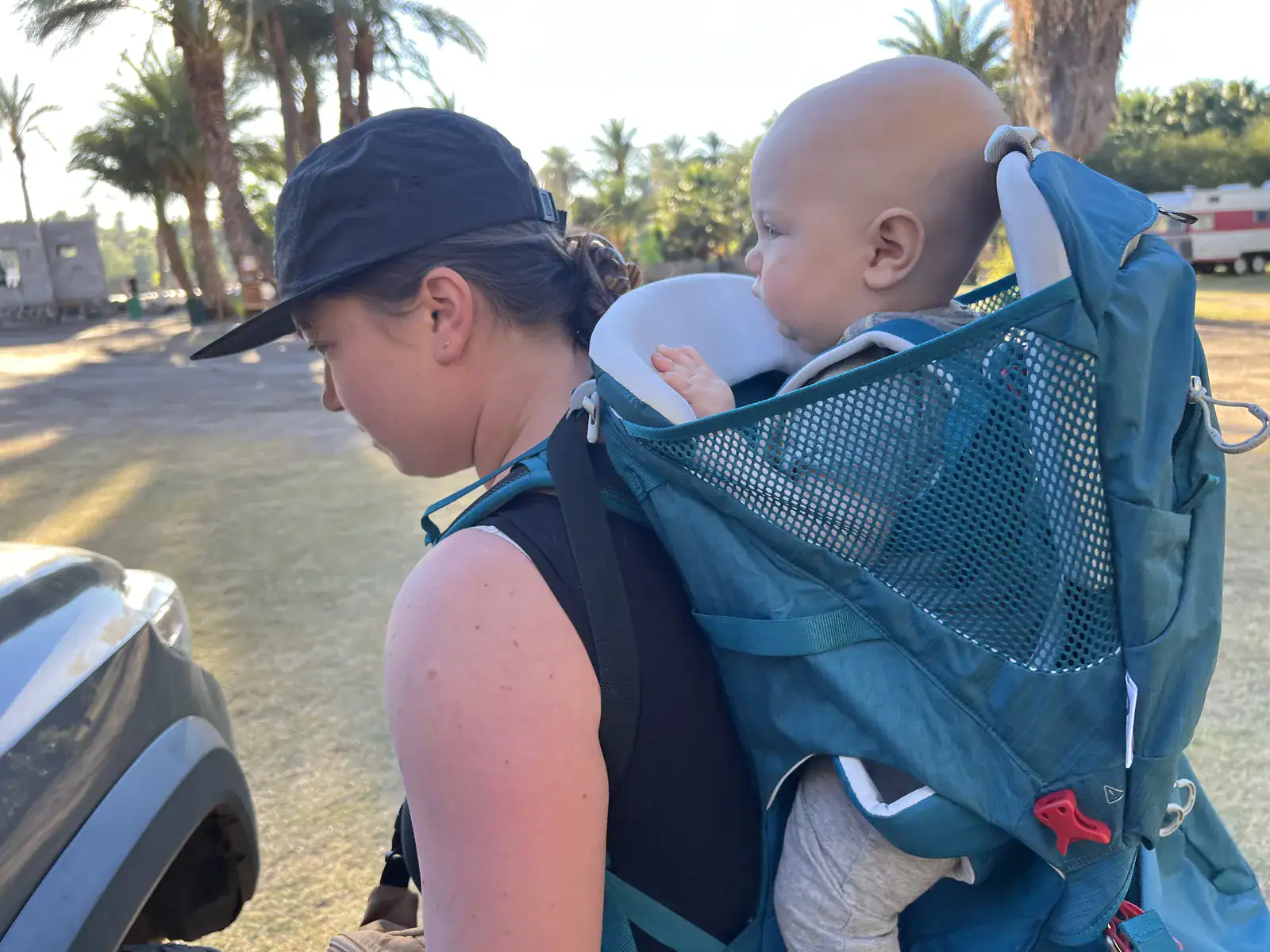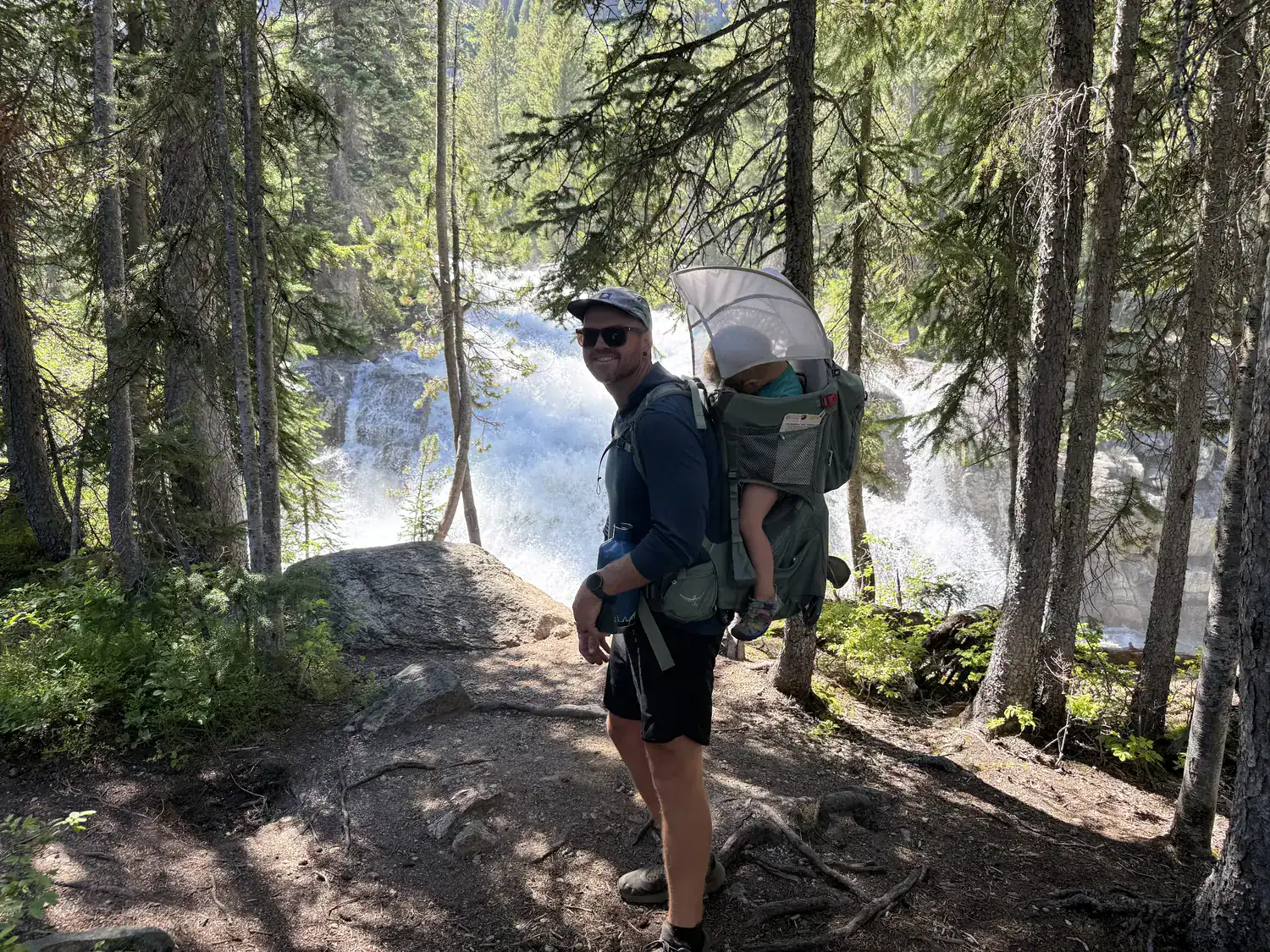
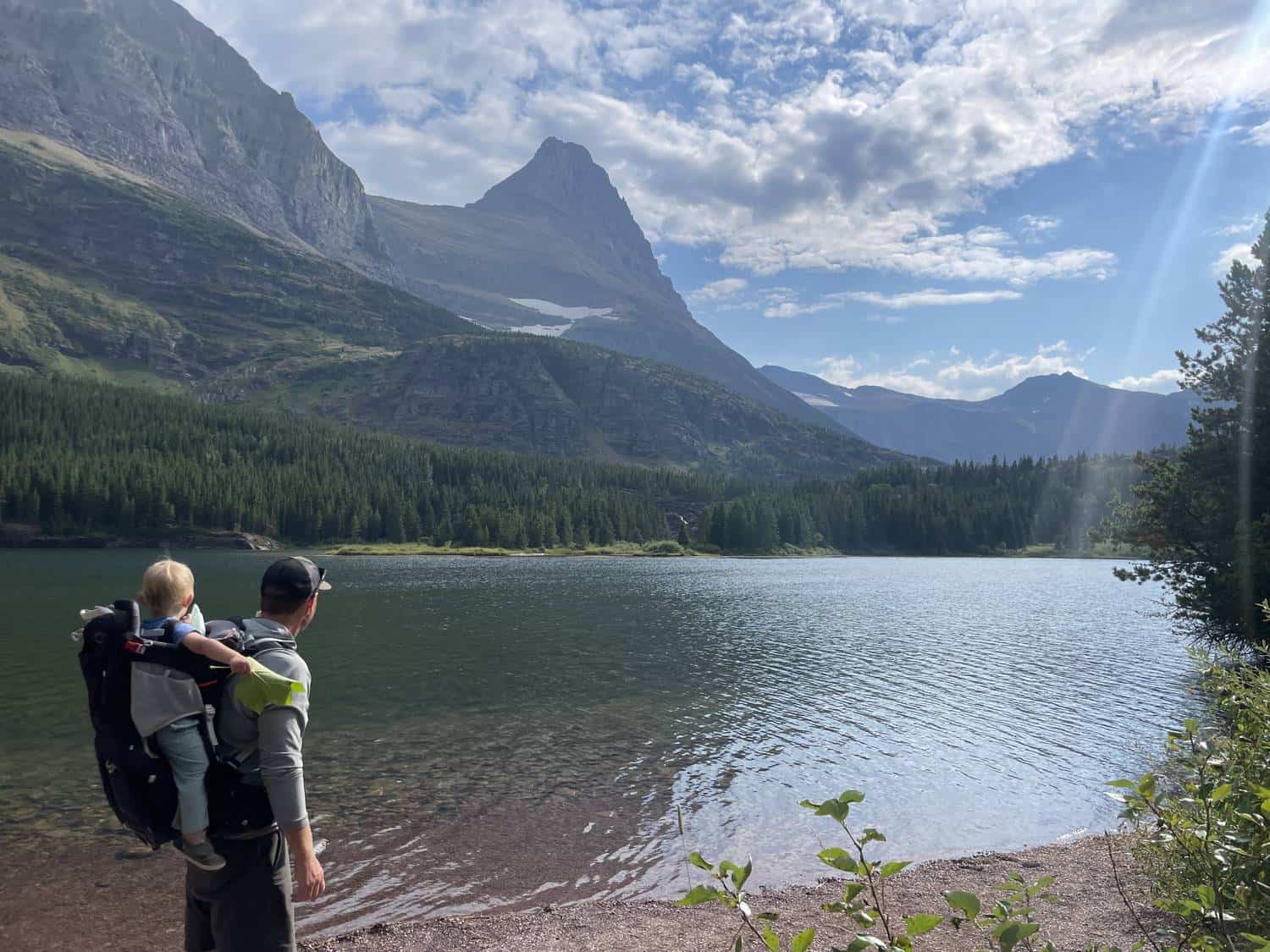
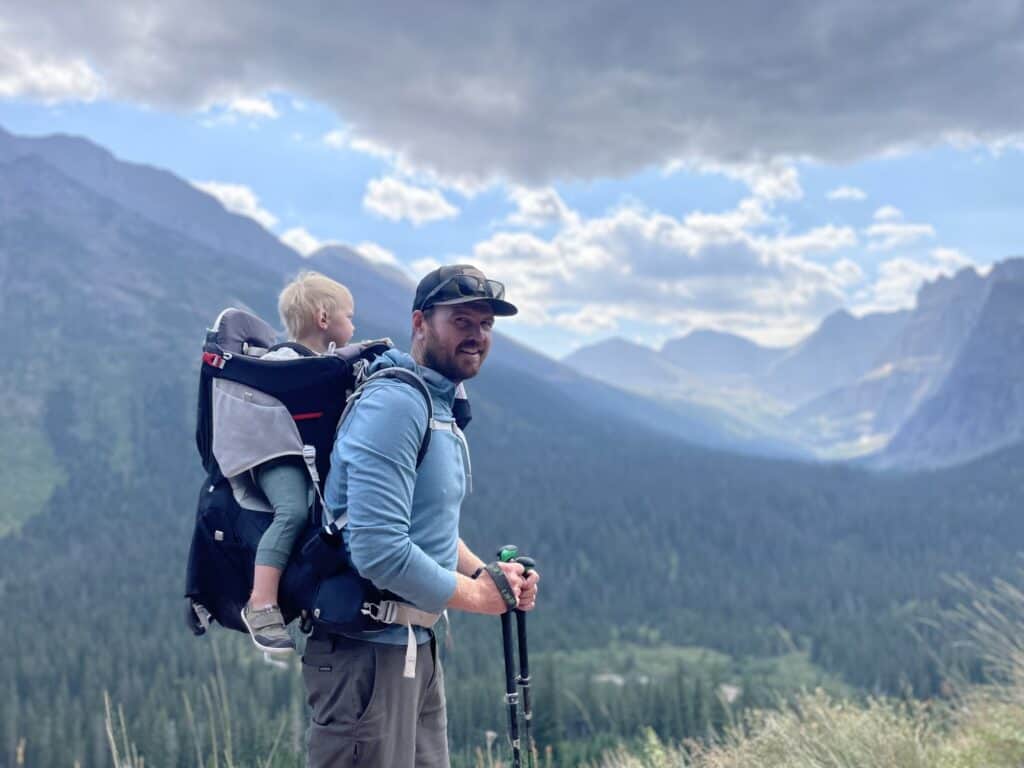
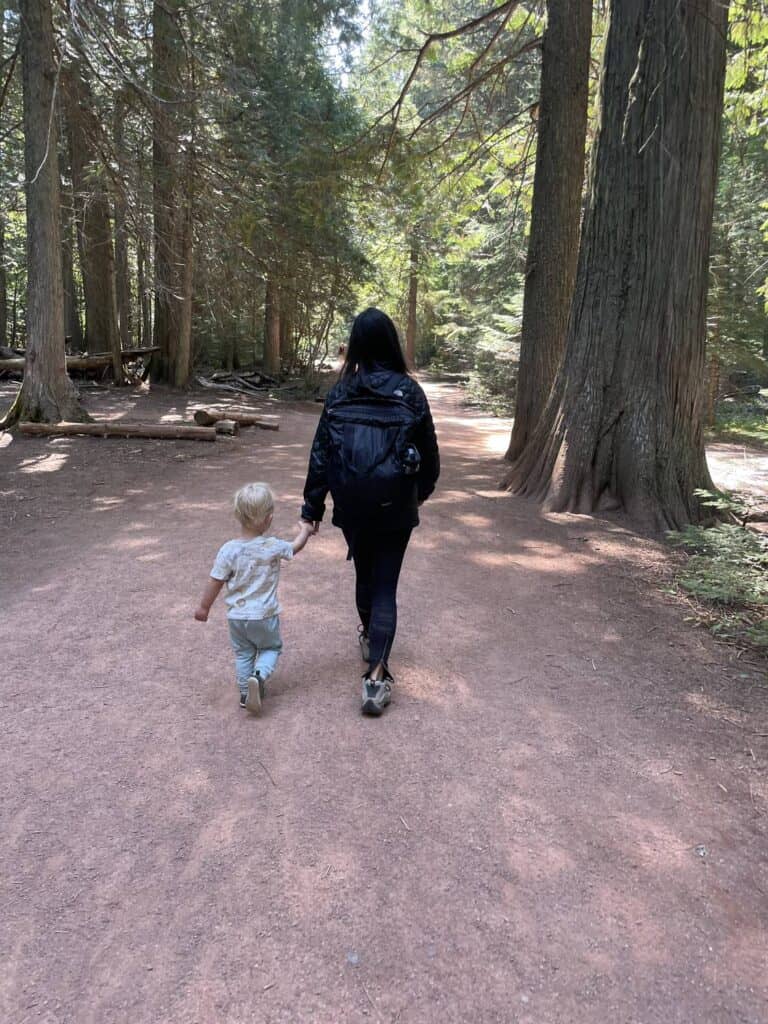
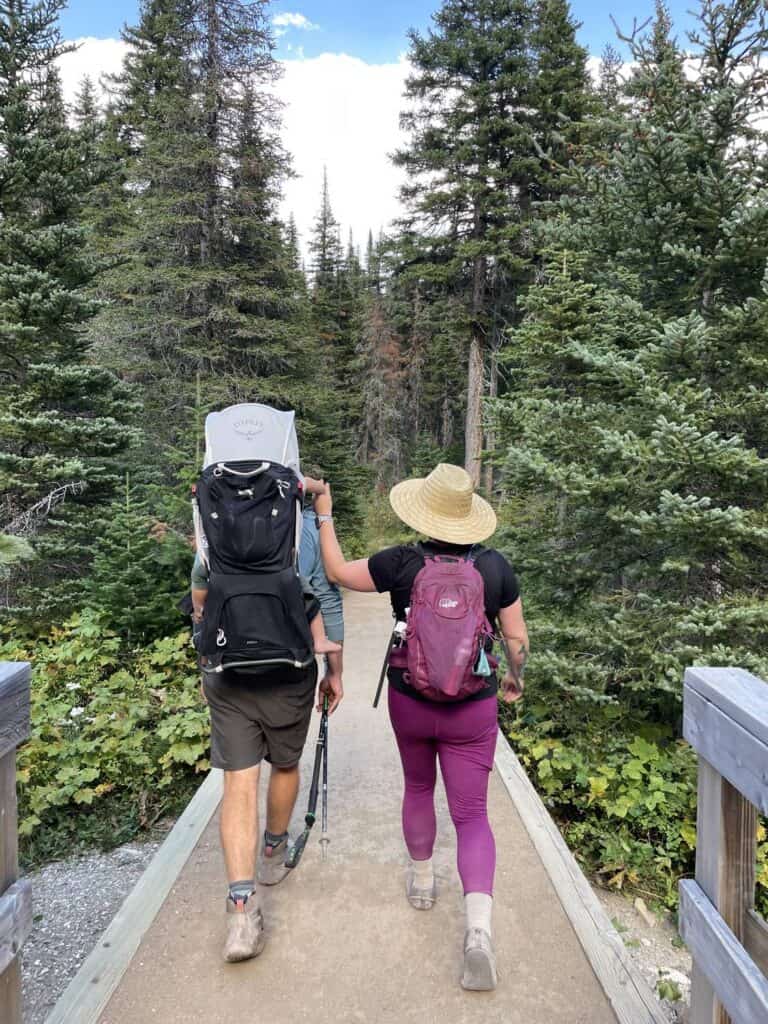
The shift from carried to walking happened in slow motion for us, not as a single trade. We’d be out on a trail with Cy around three, a friend carrying our other kid in a pack, and Cy would do a few minutes walking on his own, ask to go back in the pack, then ask to get back down a little while later, on repeat for miles.
The thing that reliably got him out and moving on his own two feet was never a bribe we invented. It was an actual feature: water, a log to cross, the end of the trail coming into view. He’d see it and ask to get down himself.
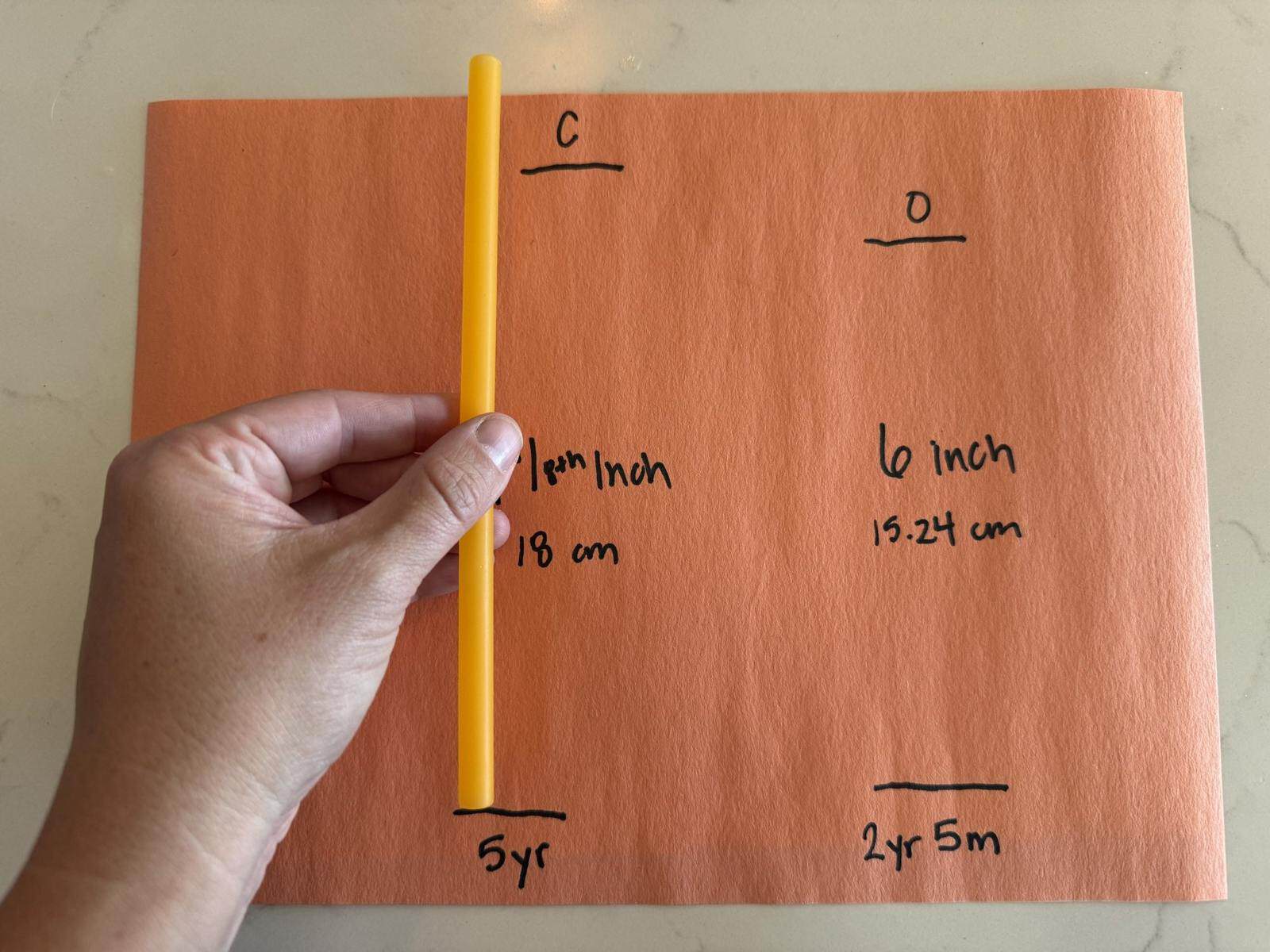
Now he’s five, and we don’t carry him at all anymore (queue happy and sad tears). Watching that whole arc play out trail by trail is probably the best argument there is for not rushing it. A carrier means you set the pace. A kid on their own feet means someone with short legs, strong opinions, and zero interest in your mileage goal is now setting it. 🎶 Let it gooooooo, let it gooooo 🎶. We don’t even call it hiking with Cy, it’s exploring, not get out there and start exploring.
Bottom line: Pick a short, flat, feature-rich trail, let distance be flexible, expect the destination to matter less than the dirt, water, and bugs along the way, and bring more snacks than seems reasonable. A “successful” toddler hike and a successful adult hike are measured completely differently.
Choose the trail for the toddler, not for the view
A trail with a creek crossing, some rocks to climb on, and a bit of shade will beat a trail with a spectacular viewpoint every time, because a toddler’s attention span rewards frequent, small payoffs over one big one at the end. Look for:
- Loop trails or out-and-backs under a mile, especially for a first few hikes. You can always keep walking if it’s going well.
- Varied terrain: a little rock scrambling, a shallow stream, a fallen log to walk across. This is the actual content of a toddler hike.
- Shade for at least part of the route, since toddlers overheat faster than adults and won’t always tell you until it’s a problem.
- A realistic bail-out point, meaning you can turn around at any time without it feeling like you failed the hike.
If you or a hiking partner is managing a mobility consideration, trail databases increasingly flag routes as stroller-friendly or wheelchair accessible, but check recent reviews before you commit; a description written years ago doesn’t account for erosion or a washed-out bridge. Flatter, lower-elevation routes, and trails that avoid water crossings, tend to be the easier call for anyone managing fatigue or an adaptive device, and a short outing that actually happens beats an ambitious one you have to turn back from.
Expect to carry them at some point, and plan for it
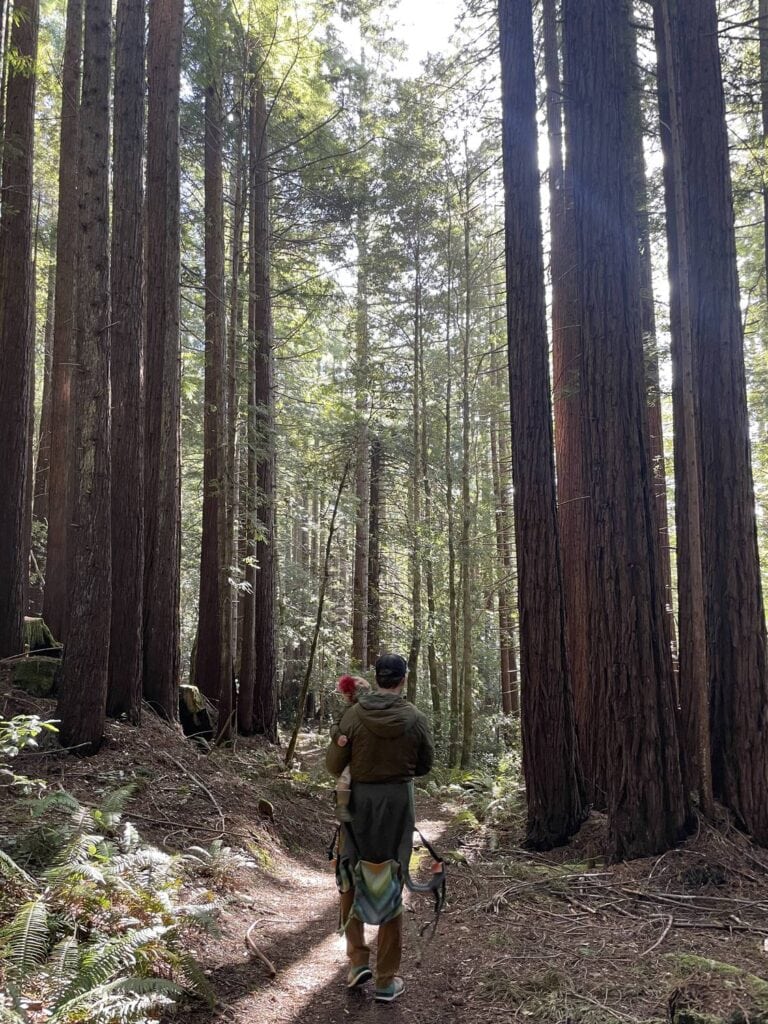
Even a toddler who “hikes now” will want to be carried, usually at the exact moment you’re furthest from the car. A soft structured carrier or hiking-specific frame carrier isn’t a failure of the plan, it’s part of the plan. Bring one even on hikes you expect them to walk the whole way. The hike where you don’t bring it is the hike you’ll need it. Know your actual distance from the trailhead at all times. It’s the number that tells you how much carrying you’re committing to if legs give out.
Redefine what counts as progress
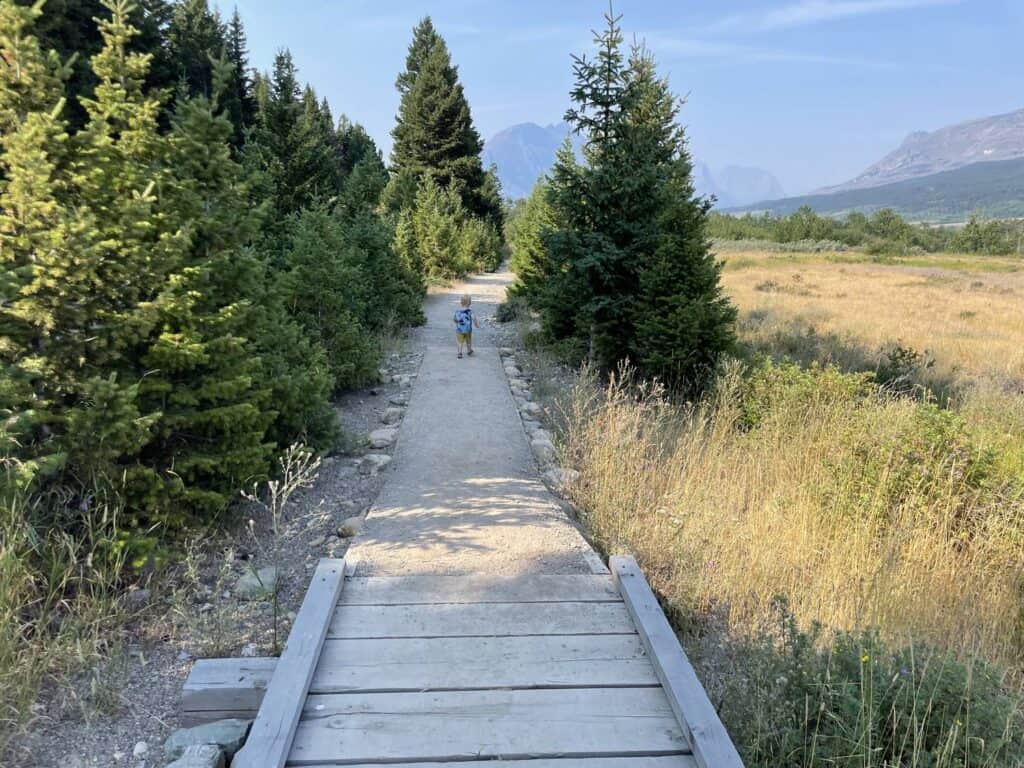
A toddler hike measured in minutes is a more useful metric than one measured in miles. Ninety minutes of hiking might net you a third of a mile of actual forward progress once you count every rock they had to stop and inspect, every bug they had to point out, and every uphill they decided needed to be done sideways. That’s not a slow hike. That’s the hike – you’re outside with your child, that’s considered a win!
The gear that actually matters
Skip the gear rabbit hole. For a toddler, the short list that makes the biggest difference:
- Real hiking shoes or sturdy trail sandals with grip, not just sneakers from the toy aisle. Traction on roots and rocks matters more for a toddler’s balance than for yours. Plain sneakers with an extra pair of socks packed for puddles work fine too for a true beginner; once they’re logging real trail miles, our Best Hiking Shoes for Kids guide covers the ones that actually held up across lava, slickrock, and lakeshores. Measure their feet first so they actually fit.
- A sun hat with a strap or chin tie, since a hat that blows off every ten minutes gets abandoned by hike two. We keep our Best Sun Hats for Kids picks in rotation for exactly this reason.
- A rain shell that packs small, even on a clear-forecast day. Weather at elevation changes fast, and a wet, cold toddler ends the hike immediately. Our Best Rain Jackets for Toddlers guide covers the ones that hold up in toddler sizes, and our Best Rain Jackets for Kids guide picks up from there.
- A kid-sized water bottle they can operate themselves, ideally one loud or bright enough that they actually want to use it. Independence with water access means fewer stops just to hand over your own bottle.
- A small pack with something light inside, their own jacket is plenty. I tend to skip this for younger kids, but a backpack cna do onders to equip your kid for an official adventure.
Make the trail itself the entertainment
This is the piece most packing lists skip, and it matters more than almost any gear choice. A few that hold up across a lot of toddlers, not just ours:
- Trail games that need nothing but attention: I Spy, 20 Questions, naming something along the trail for every letter of the alphabet, or a round of “guess the animal” with yes-or-no clues. Singing Old McDonald 35 times with different animals. (we’ve done all these and more).
- A running project: searching for “the best walking stick” and trading up every time a better one turns up, or hunting for faces and monsters in tree bark and rock faces to photograph and draw later.
- Small, frequent payoffs over one big one: a sticker, a piece of trail mix, or just enthusiastic, specific cheering for reaching a landmark, a bridge, a trail sign, anything with a visible marker.
- Narrate, don’t just walk: invented stories where the kid fills in a character name or decides what happens next turn a boring stretch into something they’re actually invested in finishing.
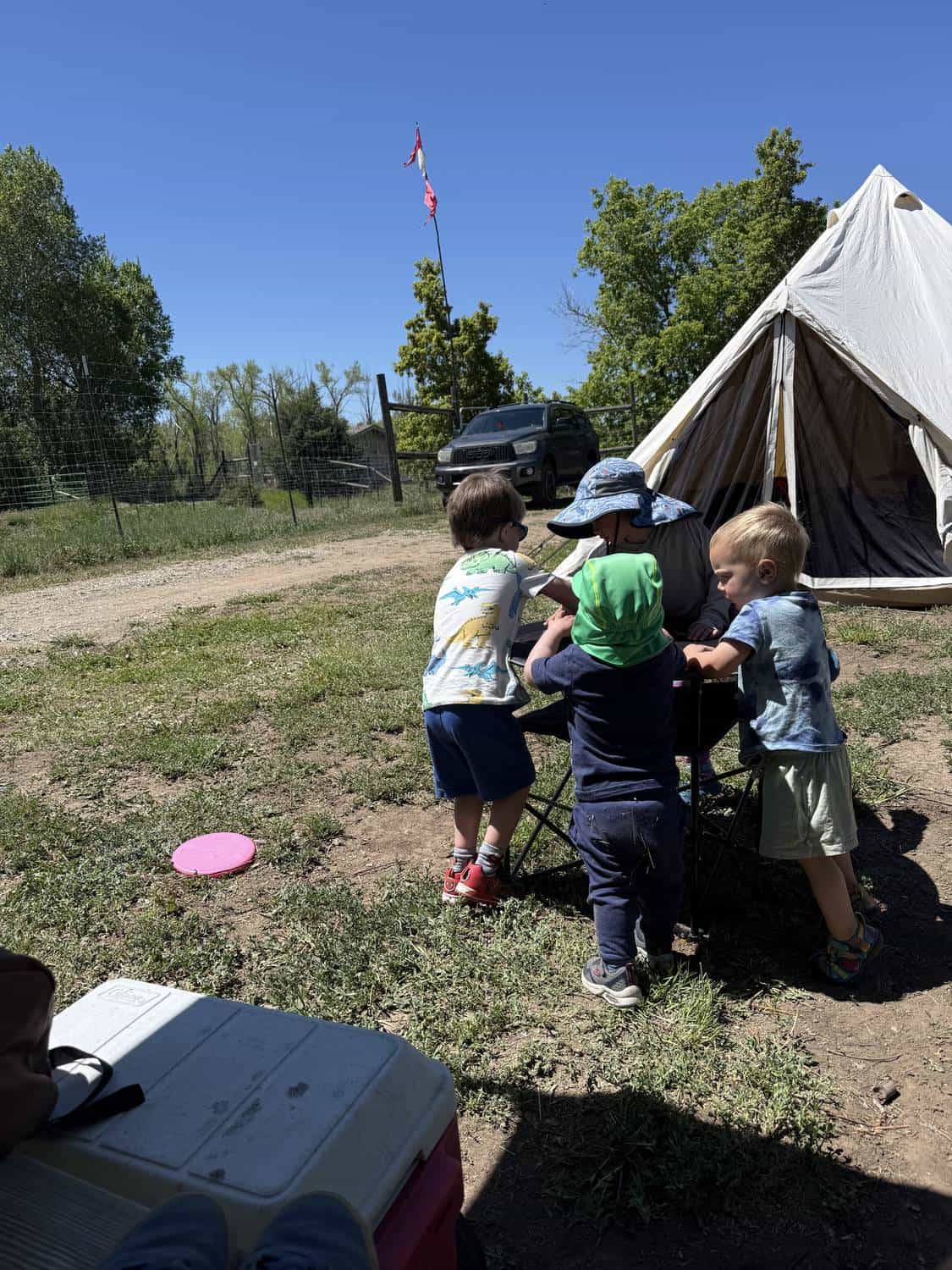
- Bring a friend. A hike with another kid along is reliably lower-complaint (but not necessarily faster) than a hike with just the adults.
Snacks are The pacing strategy
Bring more food than you think you’ll need, and treat snack breaks as a built-in part of the route, not an interruption to it. A hungry toddler on a trail escalates fast, with no couch nearby and no easy exit. Small, frequent bites work better than one big lunch stop. Think trail mix, crackers, and fruit that doesn’t need to be kept cold, spaced out roughly every 20 to 30 minutes. We are proponents of three or four larger meals throughout the day, but when you’re hiking, the small snacks just make it happen more easily.
When the meltdown happens anyway
It will, regardless of how well you planned the trail or packed the snacks. A few things that work better than arguing:
- Check the basics first. Too hot, too cold, thirsty, hungry, or simply done being strapped into a carrier all explain a surprising number of trail meltdowns before you get to anything more complicated.
- Name what’s around you. “Did you hear that bird?” or pointing out an actual, physical thing to touch or look at resets attention better than reasoning does. Have another kid bring a rock or a stick, nature toys!
- Offer a real choice. “Do you want to walk, or should I carry you?” hands back a small piece of control, which is often the entire problem.
- Don’t rush your own energy. Kids read urgency in a parent’s voice and body language fast, and it tends to make things worse, not faster.
- Let the turnaround be the answer sometimes. If it’s genuinely not working, heading back isn’t a defeat. Outside time already happened; it doesn’t need to hit a mileage target to count.
- Hugs
What doesn’t work
Pushing a nap window and hoping adrenaline will cover for it. It won’t, and the meltdown usually lands at the least convenient point on the trail, and you don’t get a nap after. Also skip the hike that’s “just a little further than last time” as a rule of thumb. Toddler stamina doesn’t build linearly the way an adult’s does. Some days are a mile. Some days are a hundred yards and a lot of looking at rocks. Both are fine.
Frequently Asked Questions About Hiking With a Toddler
What age can a toddler start hiking on their own feet?
Most toddlers can walk short, easy stretches of trail starting around 18 months to 2 years, though “hiking” at that age looks more like short bursts of walking mixed with a lot of carrying. It varies a lot by kid.
How far can a toddler actually hike?
There’s no reliable universal number. Terrain, temperature, sleep, and mood matter more than age. A quarter mile to a mile of independent walking is a realistic range for most toddlers on a good day, with carrying filling in the rest.
Do we need trekking poles or a carrier for a toddler who already walks?
A carrier is worth having even for a toddler who mostly walks, since fatigue hits without much warning. Trekking poles aren’t necessary for the toddler, though a small kid-sized pole can double as a stick-substitute and keep hands busy in a good way, and they’re genuinely useful for an adult managing their own balance or fatigue on the trail.

Pro tip: Let them carry something. Their own snack and a “found object” pouch gives a toddler a sense of purpose on the trail. Sometimes that pouch gets added to throughout the day, sometimes it’s dropped and you end up carrying it. Sometimes just a cool rock or leaf will do it to keep them occupied while walking or in the carrier.
Roxy Dawson
I'm Roxy Dawson — New Yorker turned Coloradan, former full-time van dweller, outdoor industry veteran, and co-author of three Falcon Guides. I've spent the better part of a decade testing outdoor gear for adults across some genuinely terrible conditions. Then I had kids, noticed that nobody was doing that work honestly for the 0–14 age set, and built the site I kept wishing existed. Everything on Good Better Best has been tested by my actual children — currently ages two and five, with strong opinions and zero patience for gear that doesn't work. I test first. I write second. I don't recommend things I wouldn't buy with my own money.
More posts by Roxy