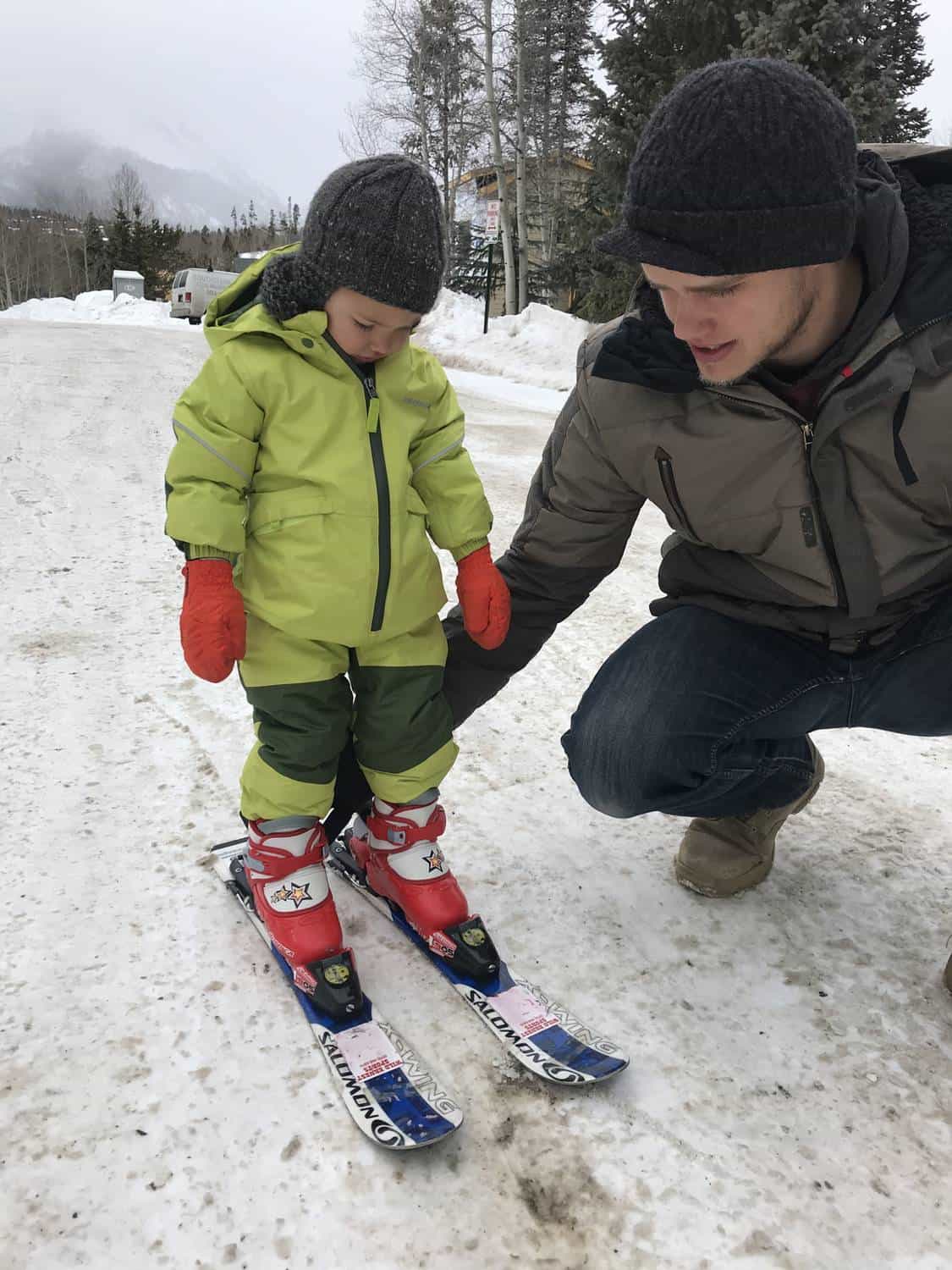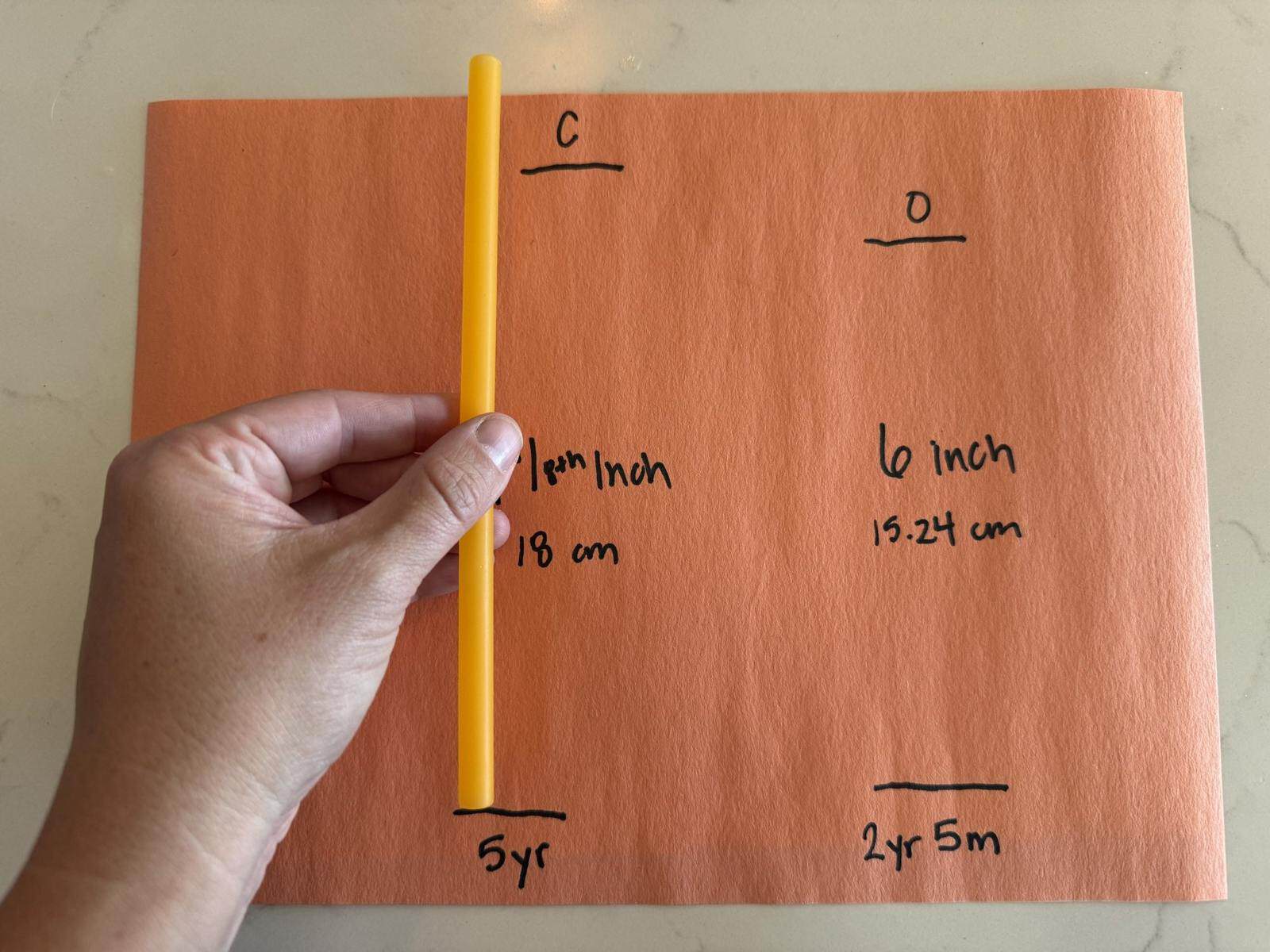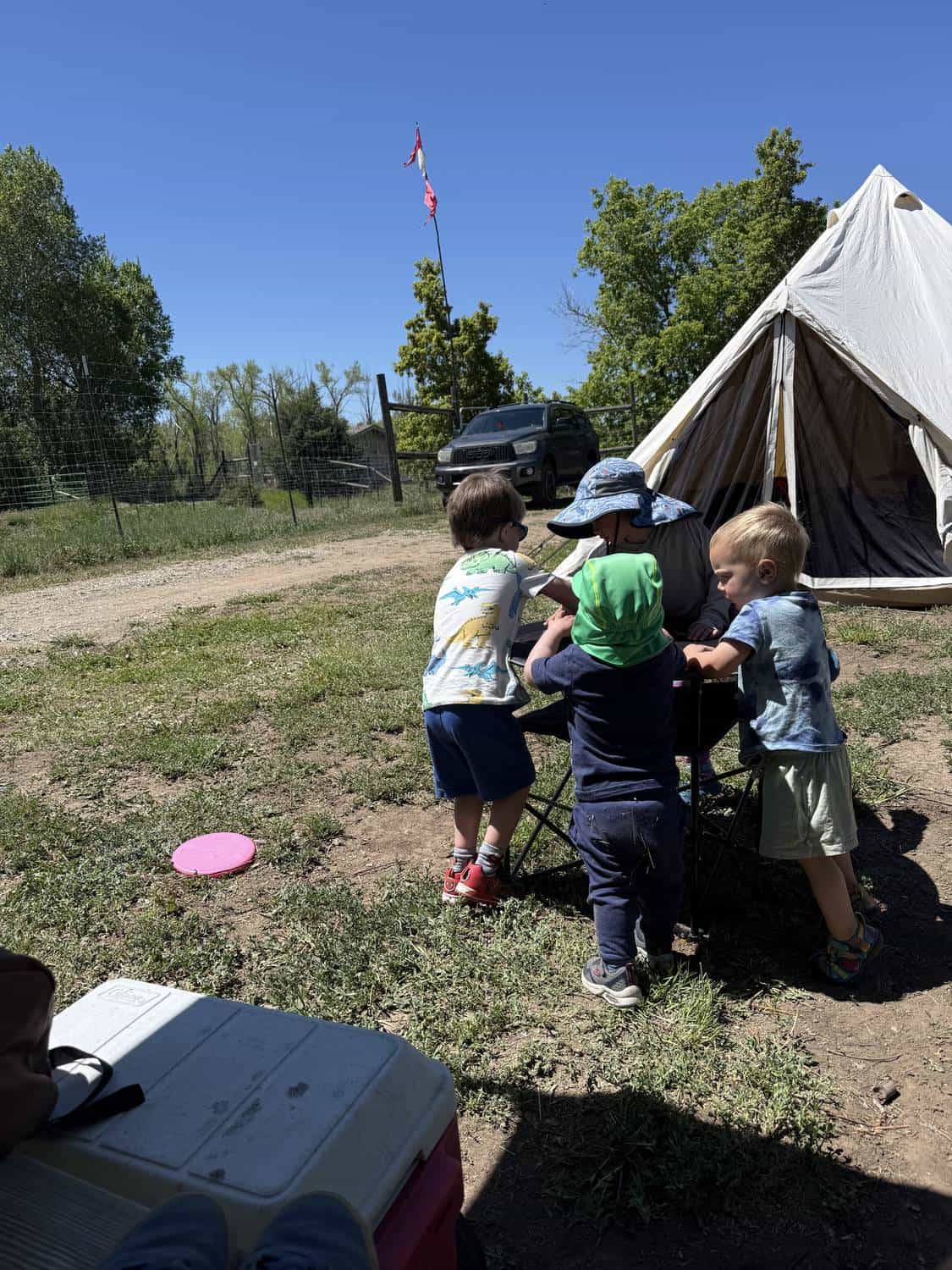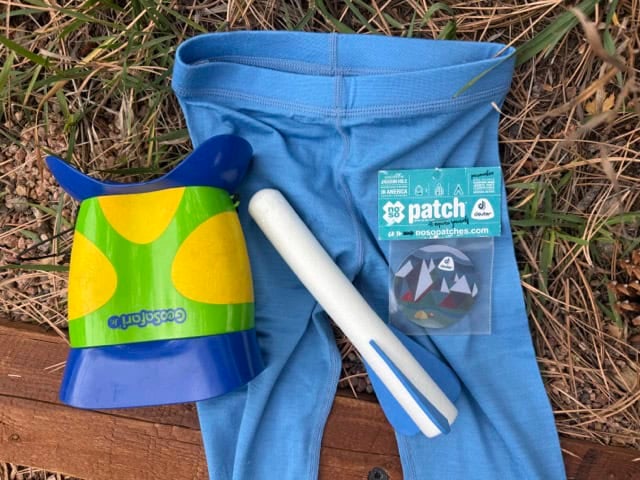

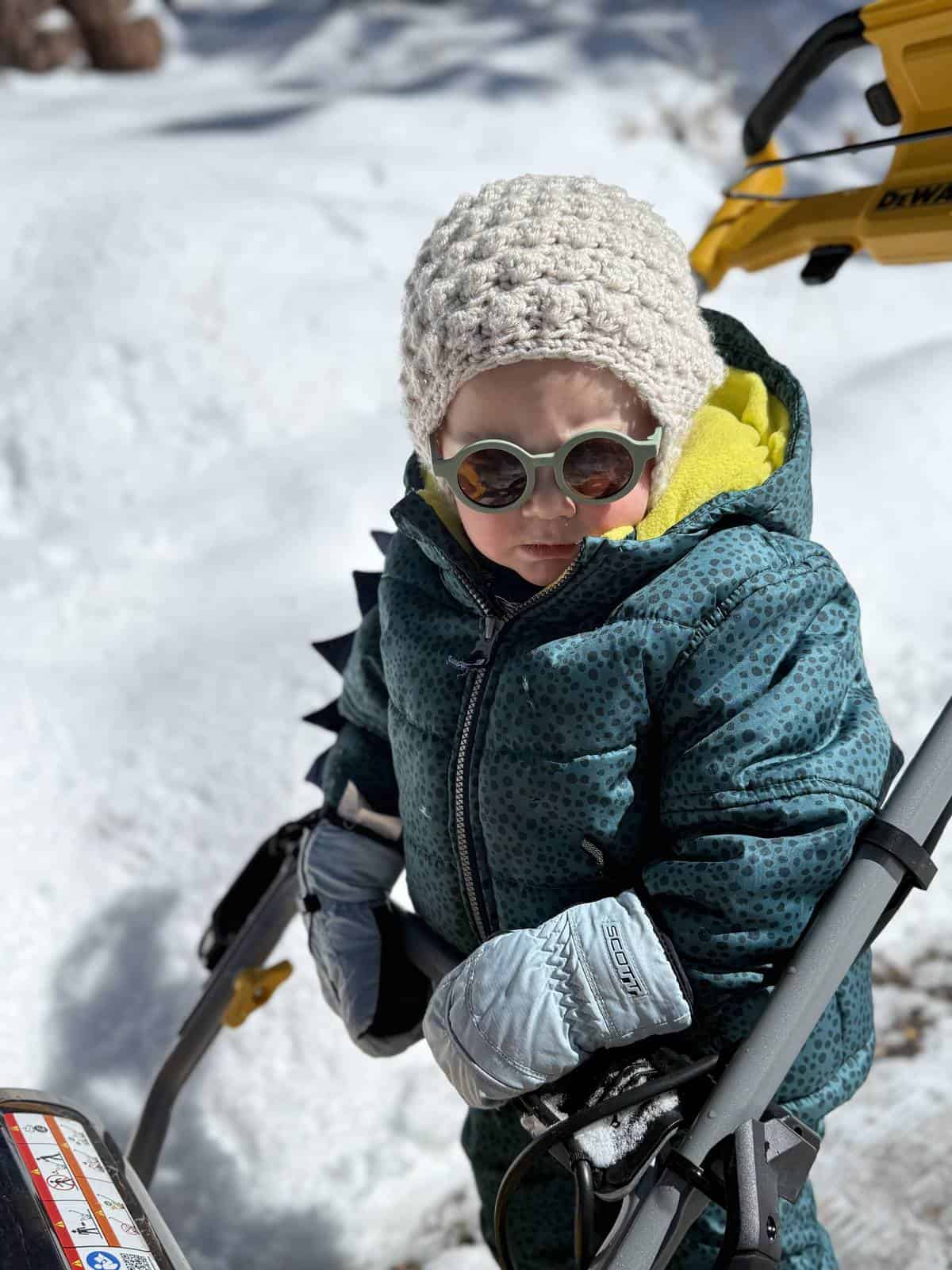
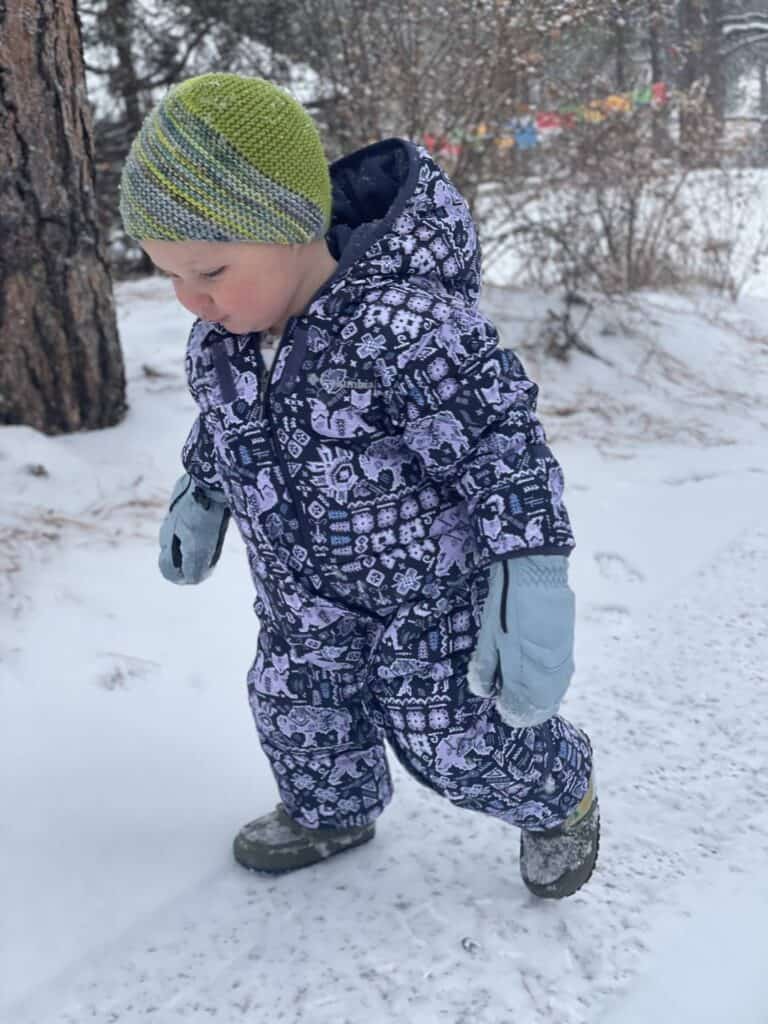
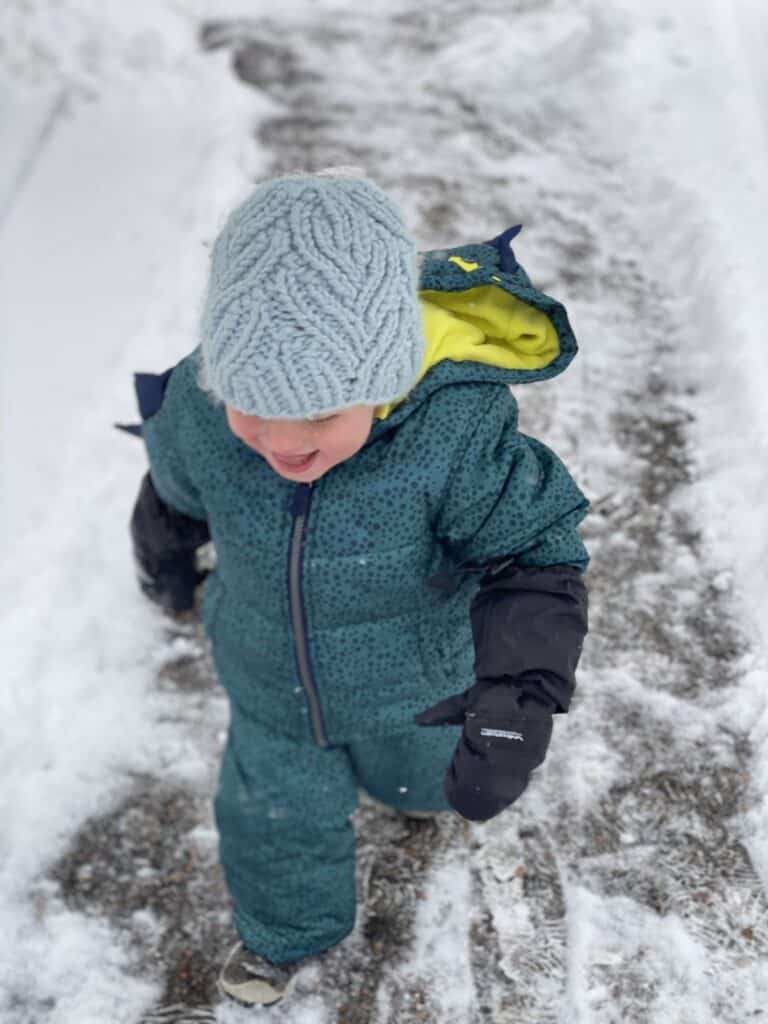
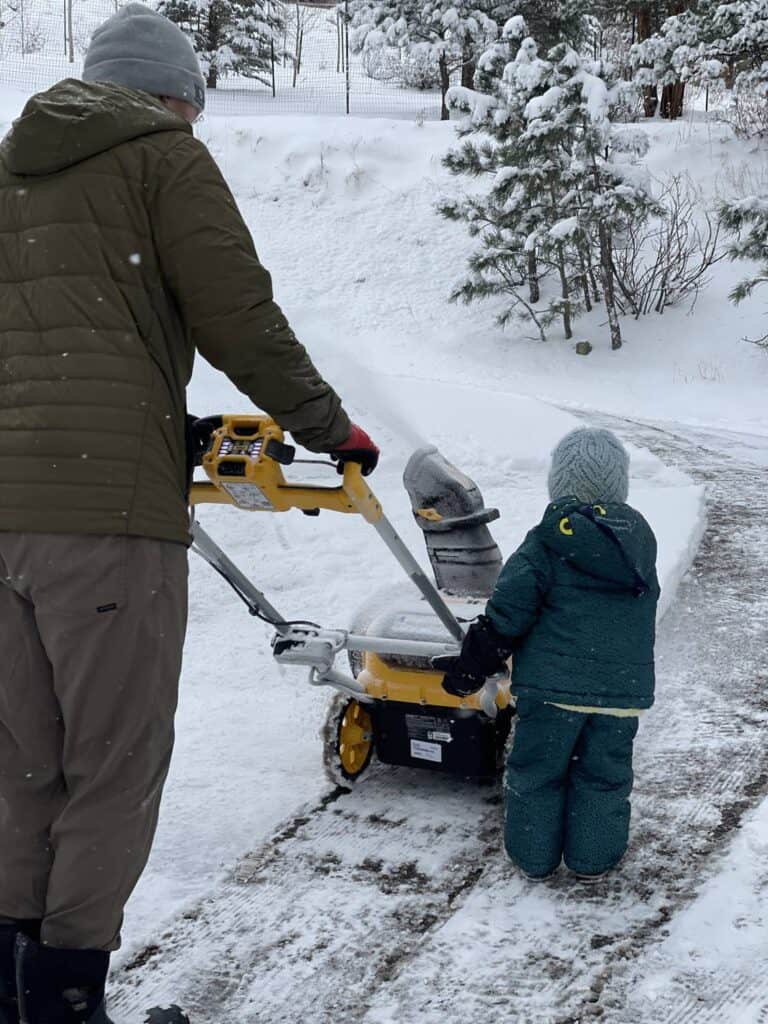
Between Oren (2) and Cy (5), one refuses to wear gloves and the other refuses to wear mittens. So in our house, the right answer is usually whichever one the kid will actually put on.
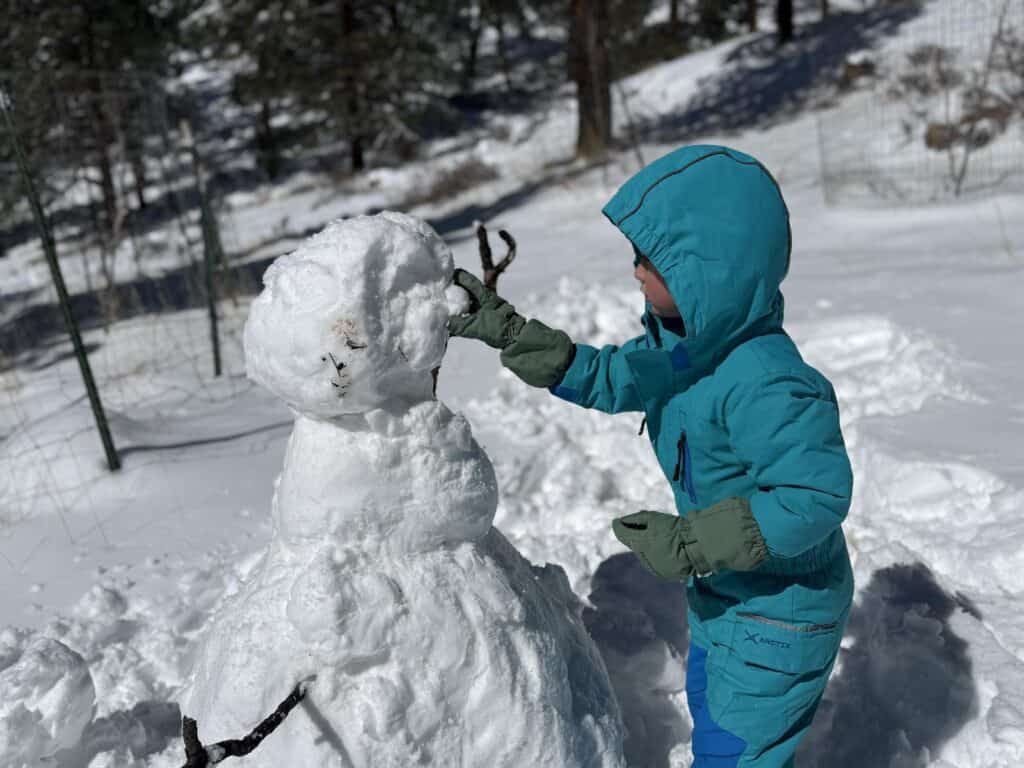
Still, it’s good to know the difference, and to have a few options on deck when you shop. Short version: mittens are warmer. Gloves are better for anything that needs fingers – snowmen making, especially.
Are Mittens Warmer Than Gloves?
Yes. In a mitten, fingers share one pocket, so they share heat. A glove gives every finger its own sleeve, and each one has to keep itself warm. evo, a ski and snowboard shop, makes the same point in its glove buying guide: mittens generally run warmer because the fingers keep each other company.
That matters more for kids than for us. The American Academy of Pediatrics notes that kids lose heat faster than adults because their bodies are smaller, and they’re less likely to come inside when they’re having fun. Fingers are also one of the spots most likely to get frostbite.
So for pure warmth, mittens win.
When Gloves Make More Sense
Mittens have one real problem: you can’t do much in them. Zippers, buckles, goggle straps, snack wrappers. Gloves let kids handle all of it without going bare-handed in the cold.
- Building snowmen, packing snowballs, or anything that needs a real grip
- Ski days for older kids who manage their own poles, zippers and goggles
- Snowboarding, where the AAP recommends gloves with built-in wrist guards
- Milder days, when dexterity matters more than maximum warmth
Here’s a surprise: there’s a middle option. Three-finger “lobster” mitts sit between gloves and mittens, with the pointer finger on its own and the rest grouped together. Kids get a little grip and keep most of the mitten’s shared warmth.
When Mittens Are the Better Call
- Babies and toddlers. Getting five tiny fingers into five tiny finger holes is a patient adult job. One thumb hole is plenty.
- Really cold days, and kids whose hands always seem to run cold.
- Sitting still. Riding in a sled, a carrier or a chairlift doesn’t generate much body heat, so hands need all the help they can get.
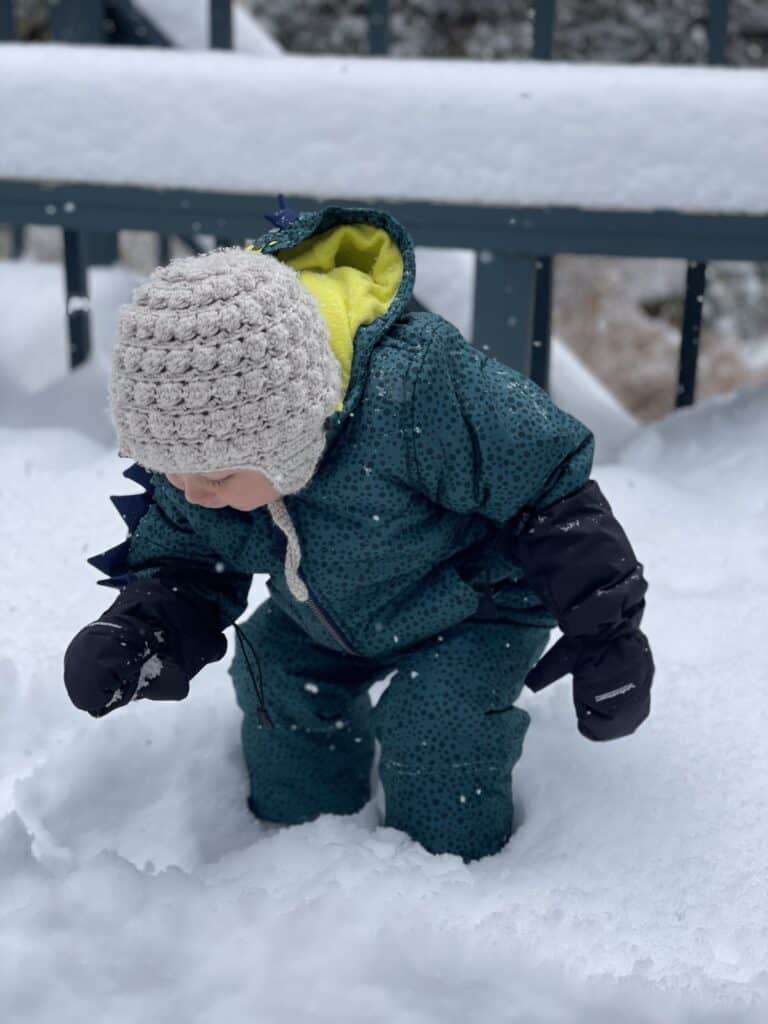
- Snow play. Lots of digging, packing and crawling means a lot of time with hands in the snow.
How to Choose Kids’ Mittens or Gloves
Whichever you pick, these matter more than the mitten-or-glove question.
Dry beats thick
Wet hands get cold fast, and evo’s guide points out that a lot of that wet comes from sweat inside the glove. A waterproof, breathable membrane keeps snow out while letting sweat escape. evo also notes that a thicker glove isn’t automatically a warmer one.
Long cuffs for snow play
Over-the-cuff styles extend past the jacket sleeve and keep snow from sneaking in. Shorter under-the-cuff styles tuck under a sleeve that has an adjustable tab. For kids who kneel, dig and roll in the snow, we go long.
A little room at the fingertips
evo’s fit test: with fingers stretched out, you should be able to pinch about a quarter inch of fabric at the fingertips, and the palm should sit fully inside the cuff. Your kid should still be able to make a full fist. Brands size by hand measurement and their charts differ, so check the chart for the pair you’re buying.
Something that keeps them attached
Wrist loops keep a dropped mitten from ending up under the chairlift. Kids drop mittens every… five minutes?
A dry spare pair
The AAP recommends getting kids out of wet clothes right away. A spare pair in the pack is the easiest way to do that without ending the day.
Mittens and Gloves We’ve Used
These are pairs that have actually been on our kids’ hands. Mittens first, then gloves.
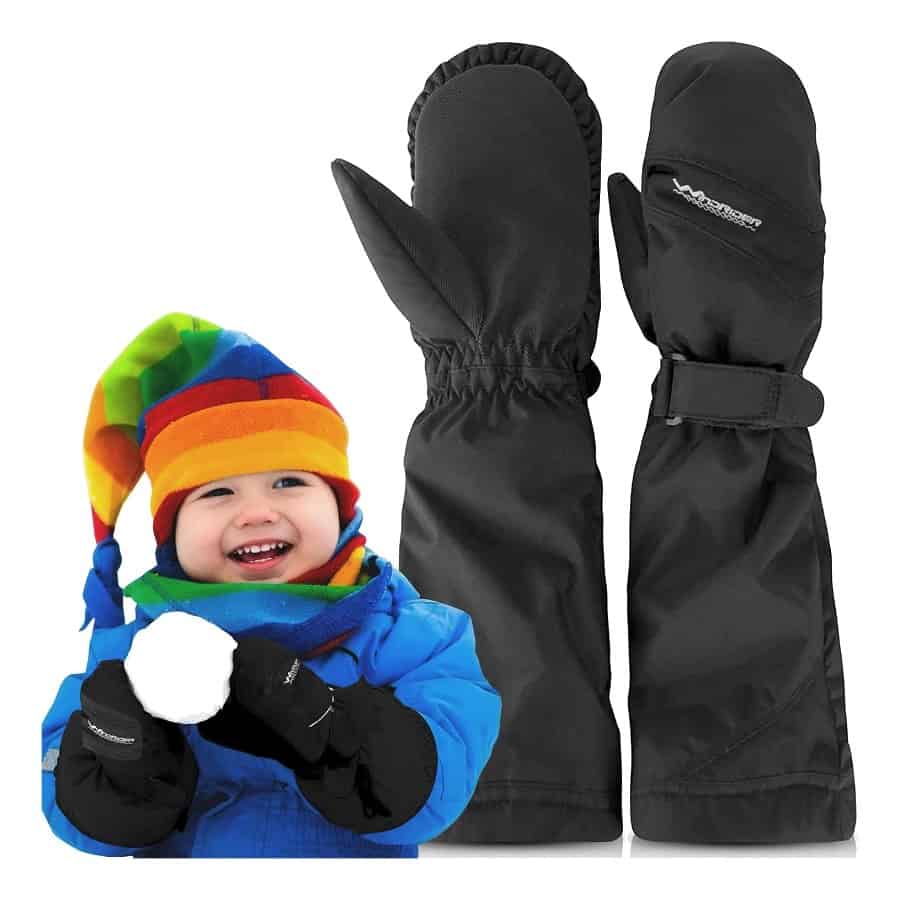
Long-cuff mittens for snow play
WindRider Waterproof Toddler & Kids Mittens
Waterproof mittens that go over the jacket sleeve, with a cinch at the wrist and another at the elbow, plus a clip that keeps the pair together. The long cuff is what we look for on kids who kneel, dig and roll in the snow.
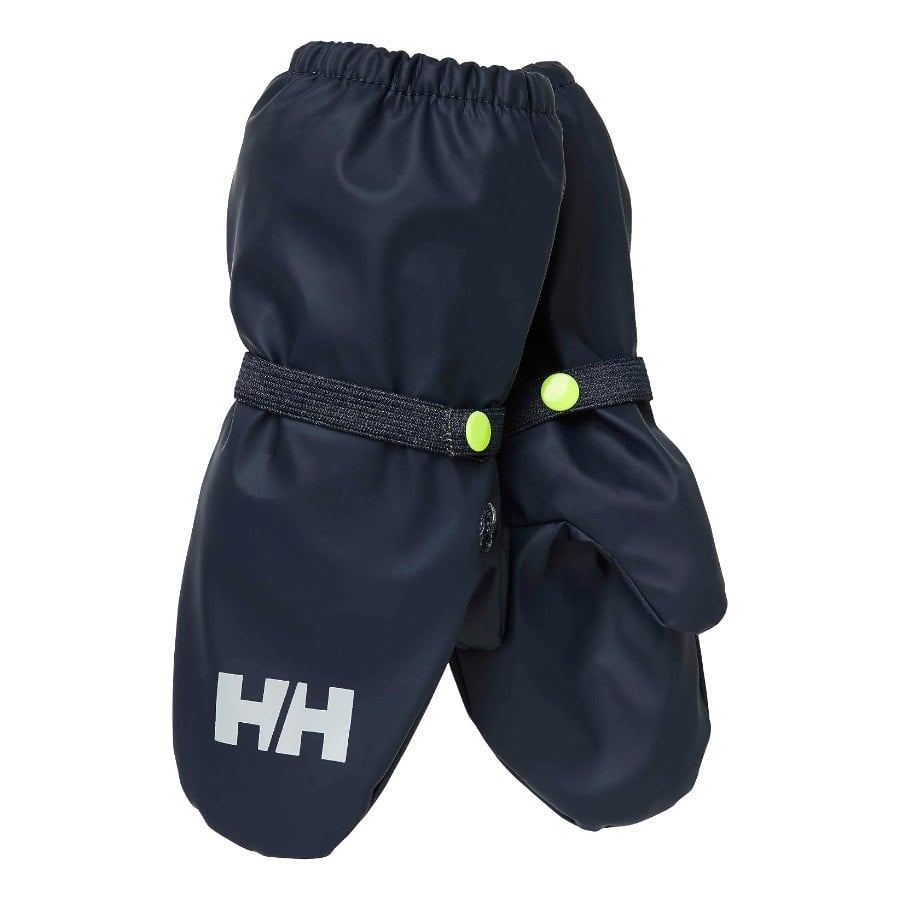
Waterproof toddler mittens for wet days
Helly Hansen Bergen Fleecelined PU Mittens
Built for slushy, wet days: the shell is waterproof polyurethane and the inside is fleece. One thumb hole, sized for toddlers.
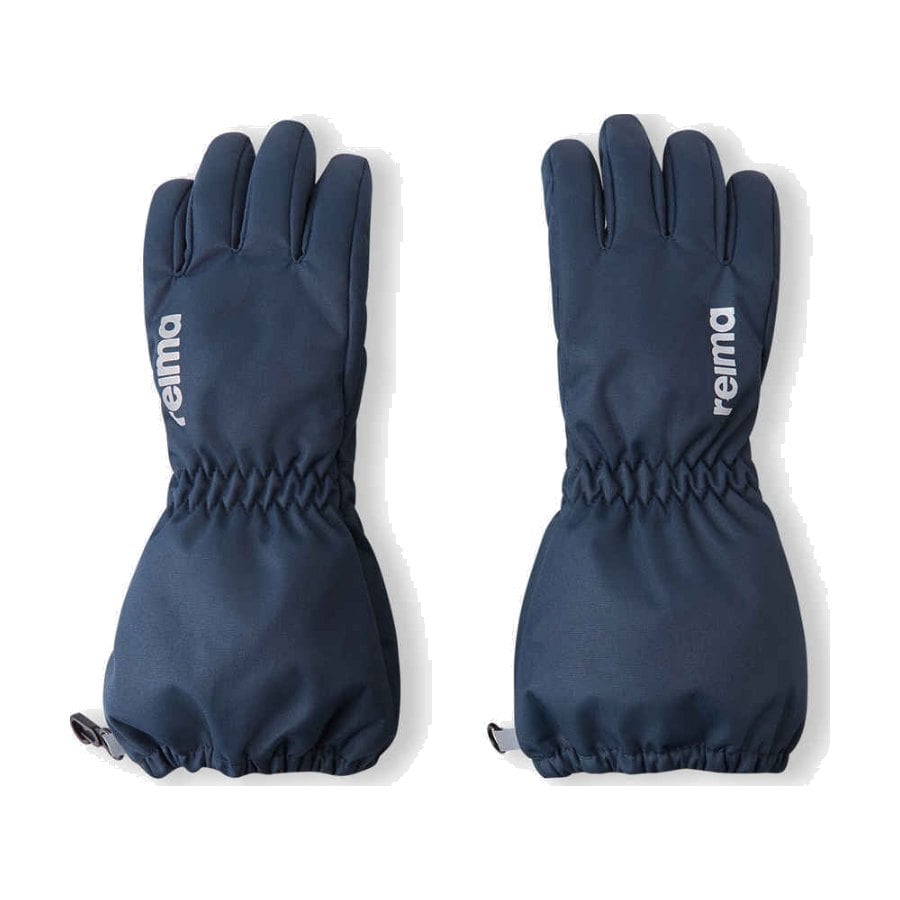
Insulated waterproof gloves for ski days
Reima Ennen Woven Gloves
Insulated gloves with waterproof inserts, reinforced palms and thumbs, and hook-and-loop closures. A good fit for kids who need their fingers for poles, zippers and goggles.
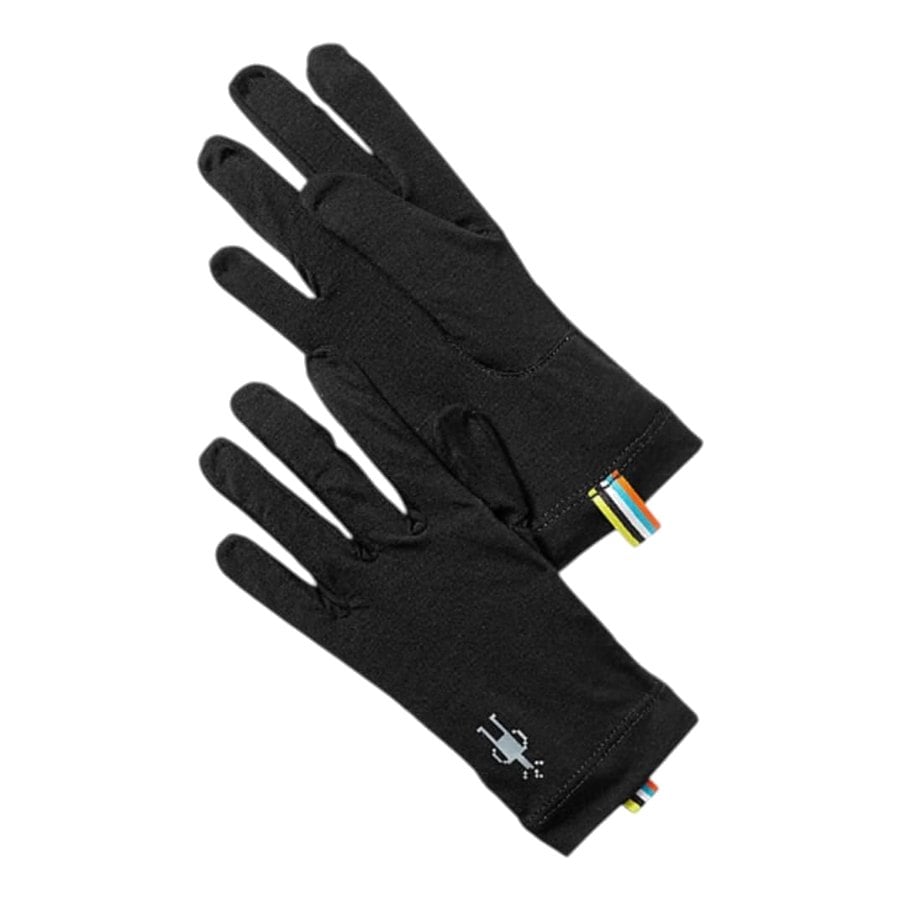
Lightweight merino gloves for milder days
Smartwool Kids’ Merino Glove
Thin merino jersey gloves, 88% merino wool and 12% nylon. Light enough to keep fingers free for zippers, buckles and snack wrappers when it is cool but not frigid.
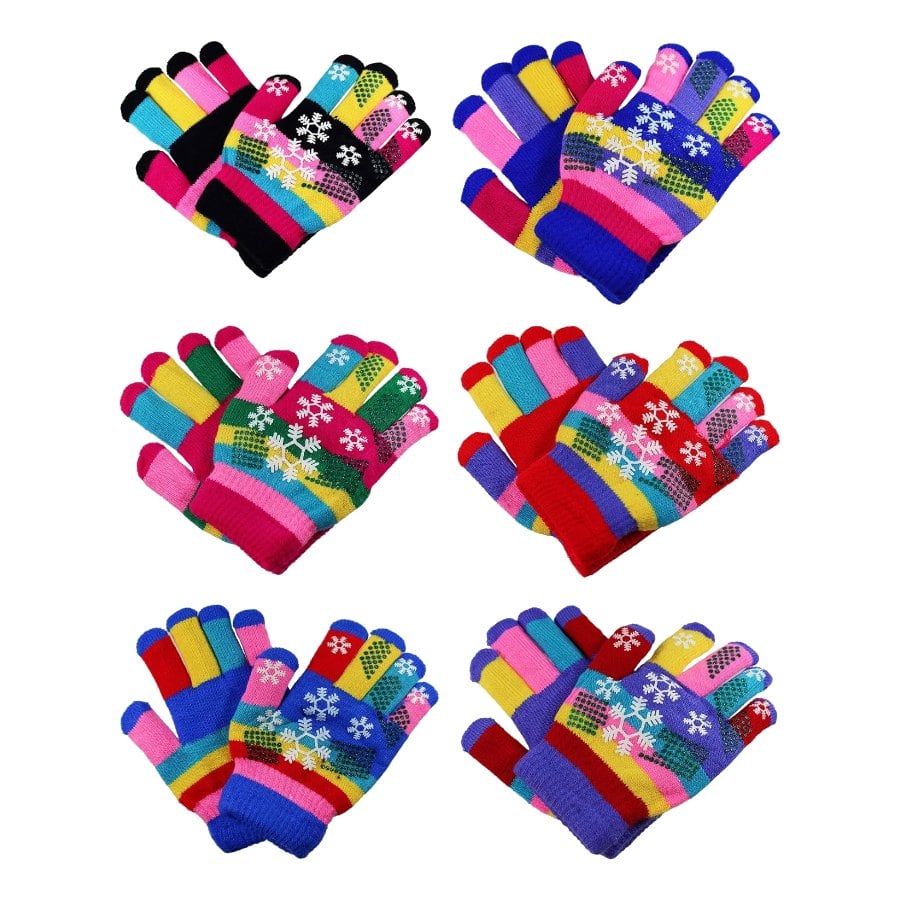
Stretchy knit gloves by the six-pack
Gelante Kids’ Magic Gloves (6 Pairs)
Six pairs of stretchy knit gloves with grippy palms. They are not waterproof, so they are for dry, cold days, and with six pairs there is always a dry spare in the pack.
Our Take
Here’s our trick for the kid with strong opinions: if you really prefer one over the other, only keep that one in the house. If mittens are the only option, mittens are what they wear.
If you’re starting from scratch, start with mittens. They’re warmer and easier to get onto a small kid. Add gloves when your kid starts needing fingers for zippers, poles, or snowballs.
And yes, slipping tiny fingers into a mitten’s thumb, or slightly bigger fingers into five separate glove fingers, is an art. Stick with it. Your frustration will fade as you become a grandmaster of glove wrangling. Then one day they’ll just put on their own. And then they’ll leave the house and never call you. So, just stick with it.
And remember that hands are only as warm as the rest of the kid. Our guide to layering kids for cold weather covers what goes on under the jacket, and our kids’ ski size chart covers the rest of the ski gear.
Frequently Asked Questions About Kids’ Mittens and Gloves
Are mittens or gloves warmer for kids?
Mittens. Fingers share one compartment in a mitten and warm each other, while a glove separates them. That matters for kids, who lose heat faster than adults according to the American Academy of Pediatrics.
When is it too cold for kids to play outside?
The AAP says to avoid outdoor play when the temperature or wind chill is below -15 degrees Fahrenheit, because exposed skin can begin to freeze within minutes.
Do kids need waterproof mittens?
For snow, yes. Wet hands get cold fast. Look for a waterproof, breathable membrane, and switch to a dry pair when they get soaked. The AAP recommends getting kids out of wet clothes right away.
How should kids’ mittens or gloves fit?
You should be able to pinch about a quarter inch of fabric at the fingertips with fingers outstretched, the palm should sit inside the cuff, and your kid should be able to make a full fist.
What are lobster mitts?
Three-finger hybrids that fall between gloves and mittens. The pointer finger gets its own slot and the other fingers share one, so kids get some grip and most of a mitten’s warmth.
What should kids wear on their hands to snowboard?
The AAP recommends gloves with built-in wrist guards for snowboarders.
Sources: How to Buy Ski/Snowboard Gloves & Mittens (evo); Playing Outside in Winter: Tips to Keep Kids Warm & Safe (American Academy of Pediatrics, HealthyChildren.org).
Roxy Dawson
I'm Roxy Dawson — New Yorker turned Coloradan, former full-time van dweller, outdoor industry veteran, and co-author of three Falcon Guides. I've spent the better part of a decade testing outdoor gear for adults across some genuinely terrible conditions. Then I had kids, noticed that nobody was doing that work honestly for the 0–14 age set, and built the site I kept wishing existed. Everything on Good Better Best has been tested by my actual children — currently ages two and five, with strong opinions and zero patience for gear that doesn't work. I test first. I write second. I don't recommend things I wouldn't buy with my own money.
More posts by Roxy